What Makes the Best Soil For Autoflowers Tick in 2027?
Why Autoflower Soil Needs to Be More Than Just Dirt
Ever tried growing autoflowers in just any garden soil? You probably ended up with stunted plants or worse—nutrient burn. Autoflowers aren’t your average plants; they demand a unique soil setup that matches their rapid lifecycle and sensitive roots.
What you’re about to learn: how soil composition impacts autoflower growth, the must-have soil elements for 2027, and a hands-on guide to picking or mixing your own soil for stellar results. For more context, fishing reels is worth reviewing.
📌 Quick Summary: Autoflowers thrive in well-aerated, nutrient-balanced soil with the right pH and water retention. In 2027, premium organic soil blends with added mycorrhizae and biochar lead the pack for healthy, vigorous growth.
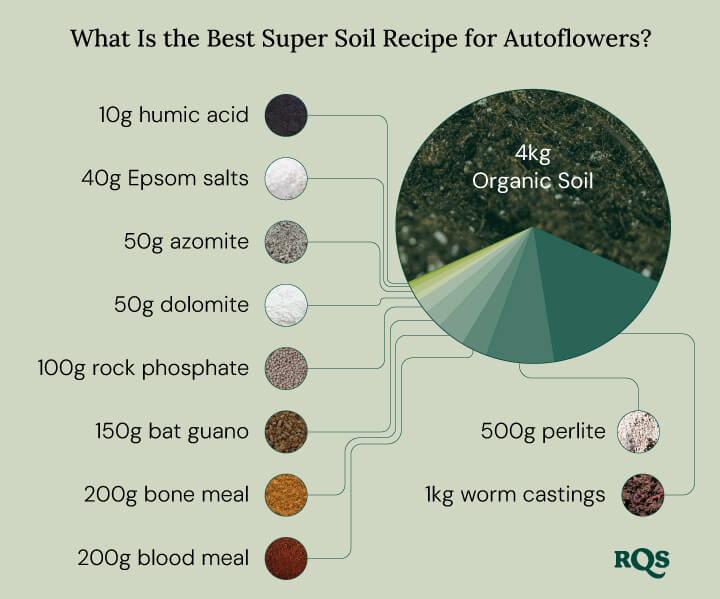
Breaking Down the Perfect Autoflower Soil Composition
Let’s stop kidding ourselves; soil isn’t just dirt. It’s a living ecosystem. For autoflowers, key soil ingredients include a loamy texture, balanced nutrients, and microbes that boost root health.
Loam and Drainage: The Heart of Healthy Roots
Autoflowers hate soggy feet. A mix of sandy loam with perlite or vermiculite ensures roots get oxygen and avoid rot. Imagine a sponge that holds water but doesn’t drown the roots—that’s what you want.
Organic Matter and Nutrients: Feeding Fast-Growing Plants
Autoflowers sprint through their lifecycle. They crave nitrogen early on, then phosphorus and potassium during flowering. Compost, worm castings, and bat guano are gold mines for these nutrients.
Microbes and Amendments: Tiny Helpers for Big Gains
Adding mycorrhizal fungi and beneficial bacteria is like hiring a root coach. These microbes extend root reach and improve nutrient uptake—something every autoflower grower should prioritize in 2027.
2027 Soil Trends: What’s Changing for Autoflowers?
Technology and research keep pushing soil mixes forward. Organic blends remain king, but biochar and sustainable amendments are becoming staples.
Biochar: The Soil Supercharger
Biochar isn’t just a buzzword. This charcoal-like substance improves soil structure and locks in nutrients longer, reducing watering frequency. Autoflowers love the consistent moisture it provides.
Pre-Mixed Soils vs. DIY Blends
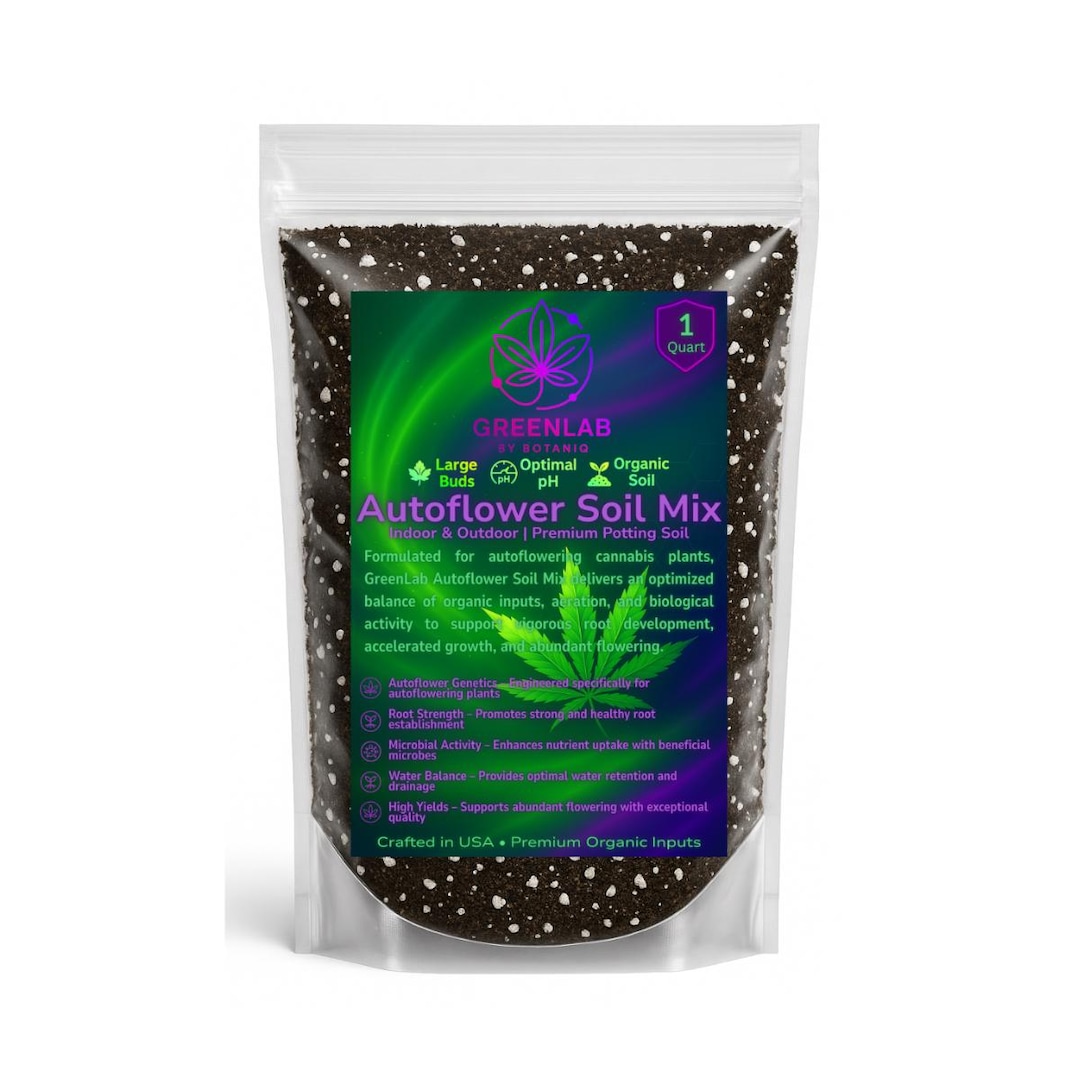
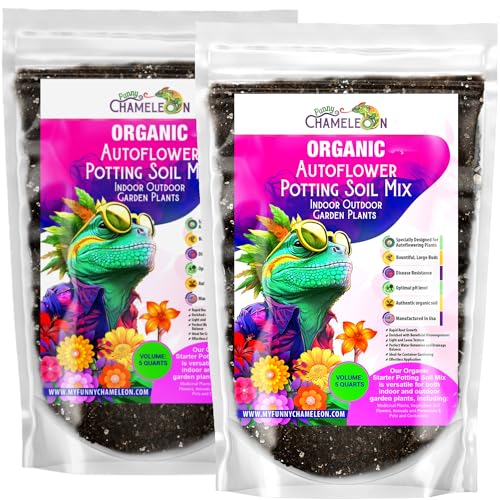
Forget overpriced bags claiming miracle results. In 2027, smart growers mix their own soil—combining peat moss, coco coir, perlite, and organic fertilizers to tailor nutrients precisely.
pH Management: The Silent Soil Killer
pH swings can wreck autoflower health faster than pests. Ideal soil pH is between 6.0 and 6.5. Regular testing and amendments like dolomite lime keep the balance perfect.
From My Experience: Soil Secrets That Changed My Autoflower Yields
I remember my first attempt: cheap potting soil, zero amendments. The plants looked miserable. Then I switched to a homemade mix packed with worm castings, perlite, and a dash of biochar.
Results? Buds doubled in size, terpene profiles sharpened, and root systems exploded. Be sure to explore best fishing as well. The difference wasn’t subtle—it was night and day. Autoflowers demand respect, and their soil is where you start.

Choosing or Mixing Your Soil: A 5-Step Guide for Autoflowers
- Pick a base: Use high-quality peat moss or coco coir for water retention and aeration.
- Add drainage: Mix in 20-30% perlite or pumice to keep roots oxygenated.
- Incorporate nutrients: Blend in worm castings, bat guano, or compost for a balanced feed.
- Boost with microbes: Sprinkle mycorrhizal fungi and beneficial bacteria to enhance root health.
- Adjust pH: Test soil pH and add dolomite lime if needed to hit 6.0-6.5 range.
Following these steps ensures your autoflowers get a soil environment tailored for rapid growth and potent yields.


Frequently Asked Questions
Can I use regular potting soil for autoflowers?
Regular potting soil usually lacks the right drainage and nutrient profile for autoflowers. It can lead to overwatering or nutrient deficiencies. Custom mixes or specialized soils are better choices.
How often should I feed autoflowers in soil?
With nutrient-rich soil, feed sparingly—usually once or twice during the lifecycle. Overfeeding can burn fast-growing autoflowers. Monitor plant response closely.
Is adding perlite really necessary?
Absolutely. Perlite prevents soil compaction, improves drainage, and provides oxygen to roots. Skipping it often results in root rot and slow growth.
What’s the biggest mistake with autoflower soil?
Overwatering in heavy, poorly drained soil is the killer. Autoflowers need a light, airy mix that dries out slightly between watering sessions.
To expand on these concepts, heated gloves offers further reading.
For deeper context on this topic, consider exploring best mountain bikes.

Carmen Frazier is a coffee enthusiast and product reviewer with over a decade of experience in the beverage industry. She specializes in evaluating quality coffee mugs, ensuring that consumers find the perfect match for their favorite brews. Her passion for coffee culture drives her commitment to providing accurate and insightful reviews on the best coffee mugs available in 2027.