Top Fertility Supplements to Boost Your Chances in 2027
Cracking the Code on Fertility Boosters: What Really Works?
Ever wondered if popping a pill could truly tilt the odds in your favor when trying to conceive? Spoiler alert: not all fertility supplements are created equal.
Let’s get real about what the science and experience say, plus what’s trending in 2027’s supplement scene. You can also check out fish oil supplements for related insights.
What you’ll learn: The most effective fertility supplements for men and women, their benefits, and how to choose what’s right for you.
📌 Quick Summary: Fertility supplements in 2027 focus on targeted nutrients like folate, CoQ10, and myo-inositol to support egg and sperm health. A personalized approach, grounded in scientific evidence and expert input, outperforms generic multivitamins. Knowing which supplements align with your fertility goals can save time, money, and emotional stress.

Essential Nutrients That Fertility Supplements Must Deliver
Folate and Its Modern Counterpart, Methylfolate
Forget the old-school folic acid. In 2027, methylfolate is king—bioavailable and more effective at reducing neural tube defects and enhancing ovulation quality.
Women with MTHFR gene mutations especially benefit, as their bodies struggle to process synthetic folic acid.
Coenzyme Q10: The Cellular Energizer
CoQ10 powers mitochondria, the energy hubs in your cells. For eggs and sperm, this means better quality and vitality. It’s a staple in fertility regimens, especially for those over 35.
Its antioxidant properties also help fend off oxidative stress—a sneaky saboteur of fertility. Additionally, read more here covers similar aspects.
Myo-Inositol: The Hormone Harmonizer
Not just a trendy buzzword, myo-inositol plays a vital role in insulin regulation and ovarian function. It’s a game-changer for women battling PCOS, improving ovulation frequency and insulin sensitivity.
Pair it with D-chiro-inositol for a balanced approach to hormonal health.
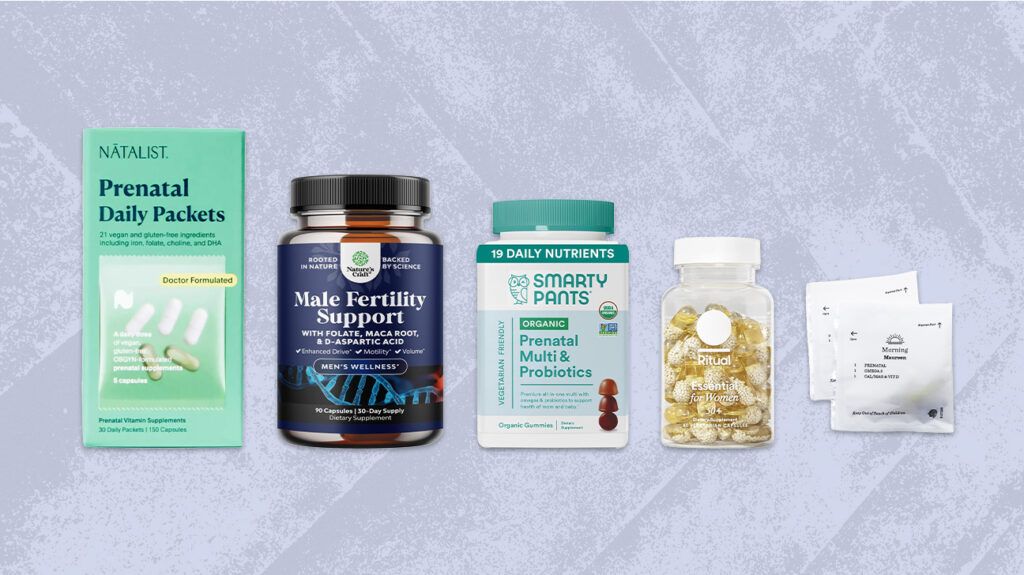
Targeted Supplements for Men: Fueling Sperm Health
Zinc and Selenium: The Dynamic Duo
These minerals are non-negotiable for sperm production and motility. Zinc deficiency correlates with low testosterone and poor sperm count, while selenium supports antioxidant defenses in sperm cells.
L-Carnitine: The Sperm’s Marathon Coach
Think of L-carnitine as the endurance booster for sperm, improving motility and overall quality. Men facing unexplained infertility often see improvements after supplementing.
Vitamin D: More Than Just Bone Health
Vitamin D receptors are found in male reproductive tissues, influencing hormone production and sperm function. A surprising number of men are deficient, especially in less sunny climates.
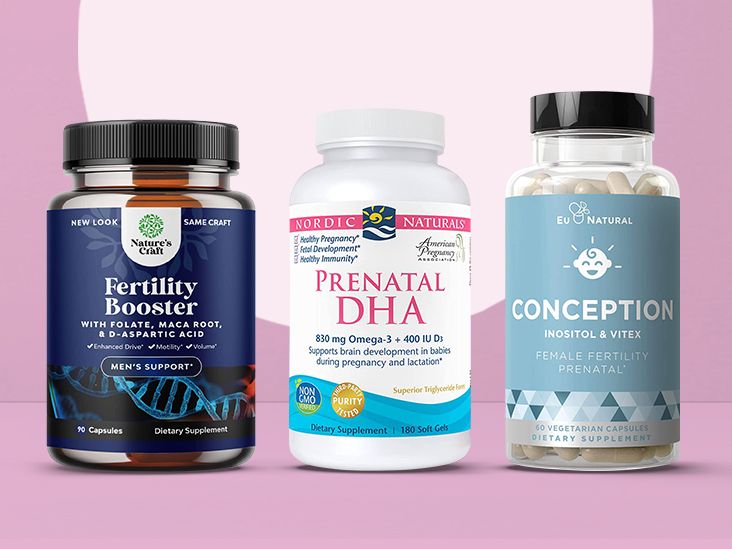
How to Navigate the Supplement Market in 2027 Without Getting Ripped Off
Walk into any store or browse online, and you’re swimming in options. But here’s the kicker: many products are loaded with fillers or doses so low they’re nearly useless.
Look for third-party testing seals, transparent ingredient lists, and clinically supported dosages. read more here provides further details on this. Avoid proprietary blends that hide exact amounts behind fancy packaging.
From my time consulting with couples navigating fertility challenges, I’ve seen that those who took the time to research supplements, rather than chasing quick fixes, found better success. It’s about smart choices, not just throwing money at shiny bottles.

Emerging Trends in Fertility Supplements to Watch in 2027
Adaptogens and Herbal Allies
Herbs like maca root, ashwagandha, and rhodiola are gaining traction for their stress-relieving and hormone-balancing effects. Stress is a huge fertility roadblock, and these botanicals help counteract it.
Personalized Nutrigenomics
Getting a genetic read on how your body processes vitamins and minerals is no longer sci-fi. Tailored supplements based on genetic testing are becoming mainstream, ensuring you get what your unique biology demands.
Gut Health and Fertility Connection
Probiotics and prebiotics aren’t just for digestion anymore. A healthy gut microbiome influences hormone balance and inflammation, both of which impact fertility outcomes.


Frequently Asked Questions
Are fertility supplements safe to take every day?
Generally, yes, but dosage matters. Overloading on certain vitamins like Vitamin A or E can be harmful. Always consult your healthcare provider before starting any regimen.
How long does it take for supplements to improve fertility?
Most supplements need about 3 to 6 months to show effects because that covers a full sperm or egg development cycle. Patience is key.
Can men and women take the same fertility supplements?
There’s overlap, but men and women have different nutritional needs when it comes to fertility. Choose supplements specifically formulated for your sex for best results.
Is it better to get nutrients from food than supplements?
Whole foods are ideal, but supplements fill gaps, especially when dietary restrictions or health issues limit nutrient absorption.
Choosing fertility supplements isn’t a one-size-fits-all deal. You can also check out pre workouts for related insights. It’s like tuning a fine instrument—you need the right components in the right amounts. The supplements that will shine in 2027 are those backed by solid research, tailored to your biology, and used alongside lifestyle changes.
Since I’ve walked this road with several friends and clients, I can vouch for the difference a well-chosen supplement makes. It’s not magic, but it’s close enough when combined with the right mindset and medical guidance.
So, when you’re staring at those shelves or scrolling through endless product pages, remember: quality beats hype every time. Your fertility deserves nothing less.

Celina Clark is a seasoned outdoor enthusiast and expert in camping gear, specializing in the latest innovations in best camping tents 2027. With years of experience and a passion for nature, she provides invaluable insights and guidance to help fellow adventurers choose the perfect tent for their unforgettable camping experiences.