
Why the Refinery Turnaround Schedule 2027 Demands Your Full Attention
Ever wondered what it takes to keep a refinery humming flawlessly? The 2027 refinery turnaround schedule is more than just dates on a calendar—it’s the heartbeat of operational success in oil refining.
What you’ll learn: the nuts and bolts of turnaround timing, its impact on production, and insider tactics to manage disruptions like a pro.
📌 Quick Summary: The Refinery Turnaround Schedule 2027 outlines essential maintenance windows that directly influence refinery output and safety. Staying ahead of these schedules minimizes costly downtime and maximizes efficiency. This article breaks down the schedule’s strategic importance and offers practical advice for stakeholders involved in refinery operations.
Decoding the Core Components of Refinery Turnaround Schedules
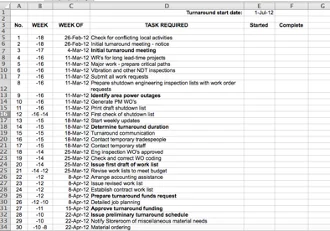
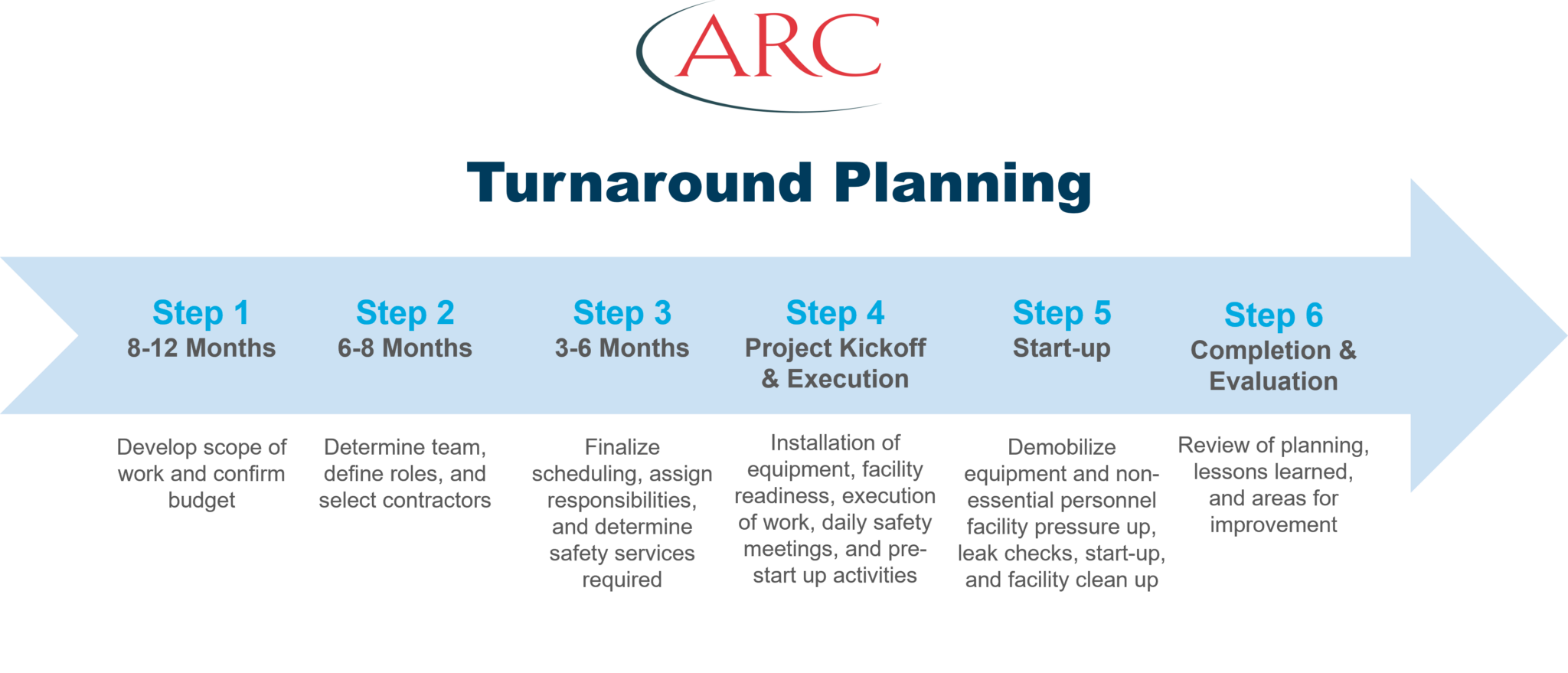
Turnaround schedules aren’t just about shutting down equipment; they’re meticulously planned events targeting maintenance, inspections, and upgrades.
In 2027, expect an emphasis on precision timing to balance operational demands with safety obligations, reflecting lessons learned from previous years.
Turnaround Frequency and Timing
Typically, refineries schedule turnarounds every 3 to 5 years, but smaller, targeted maintenance occurs more frequently.
For 2027, many operators are aligning turnarounds with market demands and seasonal production cycles to optimize profitability.

Scope of Work During Turnarounds
Tasks include cleaning, equipment replacement, safety system tests, and compliance checks.
The 2027 schedule is expected to integrate advanced diagnostic tools, reducing manual inspection time and accelerating turnaround completion.
Resource Allocation and Logistics
Coordinating skilled labor, spare parts, and contractors is a logistical puzzle intensified by supply chain challenges prevalent in 2026.
Smart scheduling ensures resources are ready exactly when needed, avoiding costly delays.
Operational Impact: How Turnaround Schedules Shape Refinery Performance
Turnarounds are dreaded for downtime but celebrated for boosting long-term reliability. The 2027 schedule reflects this duality with heightened strategic rigor.
Skipping or delaying scheduled maintenance can snowball into catastrophic failures or regulatory penalties.
Balancing Downtime and Production Targets
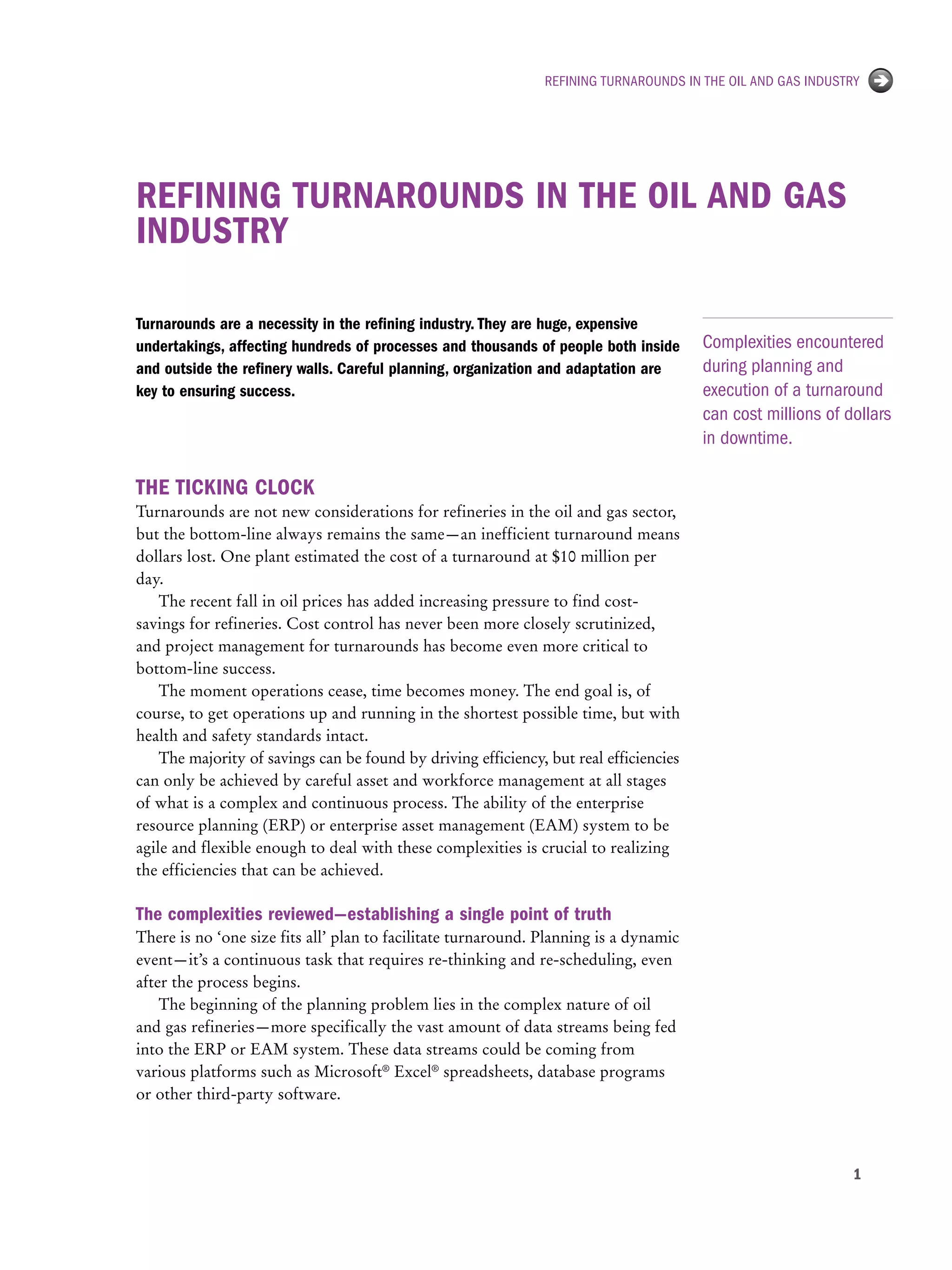
Every hour offline hits the bottom line hard. Smart operators use predictive analytics to trim turnaround durations without sacrificing quality.
In my experience overseeing refinery projects, the 2027 trend leans toward modular maintenance—isolating smaller units to reduce full-plant shutdowns.

Safety and Compliance Gains
Turnarounds provide mandatory windows to address safety hazards, meet updated environmental standards, and refresh training.
In 2027, regulatory scrutiny is tightening, making adherence to turnaround schedules non-negotiable.
Technological Innovations Influencing 2027 Turnarounds
Drones, AI-powered inspections, and real-time monitoring systems are revolutionizing turnaround workflows.
These tools slash inspection times and enhance accuracy, allowing teams to spot issues before they escalate.
Strategies to Master the Refinery Turnaround Schedule 2027
Planning is everything. The 2027 turnaround calendar demands a blend of foresight, flexibility, and tight communication.
Here’s how to get ahead—and stay there.
Early Planning and Risk Assessment
Start mapping out turnaround tasks years in advance, identifying critical equipment and potential bottlenecks.
Risk assessments must be dynamic, incorporating lessons from previous cycles and emerging challenges.
Stakeholder Coordination and Communication
Successful turnarounds hinge on synchronized efforts between operators, contractors, and suppliers.
Weekly status updates and contingency planning are staples in the 2027 approach.
Leveraging Data to Streamline Execution
Data-driven insights reveal where time and money leak during turnarounds.
Tracking metrics like task duration, resource utilization, and unexpected delays helps refine future schedules.

India’s 650 thousand b/d refinery capacity addition by 2027 requires …
Source: thehindubusinessline.com
Preparing for the Unexpected: Contingency Planning in Turnaround Schedules
No matter how tight the plan, surprises pop up. Equipment failures, weather disruptions, or labor shortages can derail even the best-laid schedules.
2027 turnaround strategies double down on contingency to keep plants resilient.
Buffer Periods and Flexible Resource Pools
Embedding buffer days allows teams to absorb shocks without spiraling into extended downtime.
Maintaining a flexible workforce and supplier list is a key tactic, ensuring rapid response capabilities.
Real-Time Monitoring and Rapid Response Teams
Deploying monitoring systems that flag anomalies in real time enables instant troubleshooting.
Specialized rapid response teams focus exclusively on mitigating turnaround hiccups before they escalate.
Frequently Asked Questions
What exactly is a refinery turnaround?
A refinery turnaround is a scheduled shutdown of all or part of a refinery for maintenance, repairs, inspections, and upgrades. It ensures the facility runs safely and efficiently.
Why is the 2027 turnaround schedule particularly important?
2027’s schedule integrates advanced technologies and stricter regulatory requirements, making it crucial for maintaining competitiveness and compliance.
How long do typical turnarounds last?
Turnaround duration varies but usually ranges from a few weeks to a couple of months, depending on scope and refinery size.
Can turnarounds be shortened without risking safety?
Yes, with precise planning, technology, and skilled teams, turnaround times can be compressed while maintaining safety and quality standards.
What role does technology play in modern turnarounds?
Technology like AI inspections, drones, and real-time data analytics drastically improve turnaround efficiency and risk management.

Maxime Williams is a seasoned technical SEO architect with a focus on optimizing schedules and events in 2027. With years of experience in digital marketing, Maxime combines analytical skills with a passion for strategic planning, ensuring you stay ahead in the evolving landscape of scheduled events.