Top Walkable Cities Perfect for Retirement in 2027
Why Walkability Matters More Than Ever for Retirement
Ever tried lugging groceries across a sprawling suburb only to wonder why you didn’t just move downtown? Walking-friendly cities aren’t just a luxury—they’re a retirement necessity.
In 2027, retirees crave neighborhoods where everything is a stroll away: coffee shops, parks, healthcare, and social hubs. inclusive resorts mexico provides further details on this. What you’ll learn here is which cities deliver this lifestyle and why walking beats driving as you age.
📌 Quick Summary: Walkable cities offer retirees easier access to daily essentials, better health outcomes, and vibrant social lives. In 2027, the best cities blend urban convenience with community warmth—perfect for those wanting to stay active and connected without the hassle of a car.

What Defines the Best Walkable Cities for Retirement?
Walkability isn’t just about sidewalks. It’s the whole vibe—safe streets, nearby amenities, and a culture that encourages getting out on foot.
Pedestrian Infrastructure and Safety
Sidewalks matter, but so do crosswalks, traffic calming, and low crime. A city might look charming, but if crossing the street feels like a gamble, it’s a no-go for retirees.
Access to Healthcare
It’s practical—being able to stroll to your doctor or pharmacy without a car reduces stress and keeps you healthier.
Social and Leisure Opportunities
Walkable doesn’t mean boring. The best cities offer parks, theaters, libraries, and bustling markets close enough to visit on a whim.
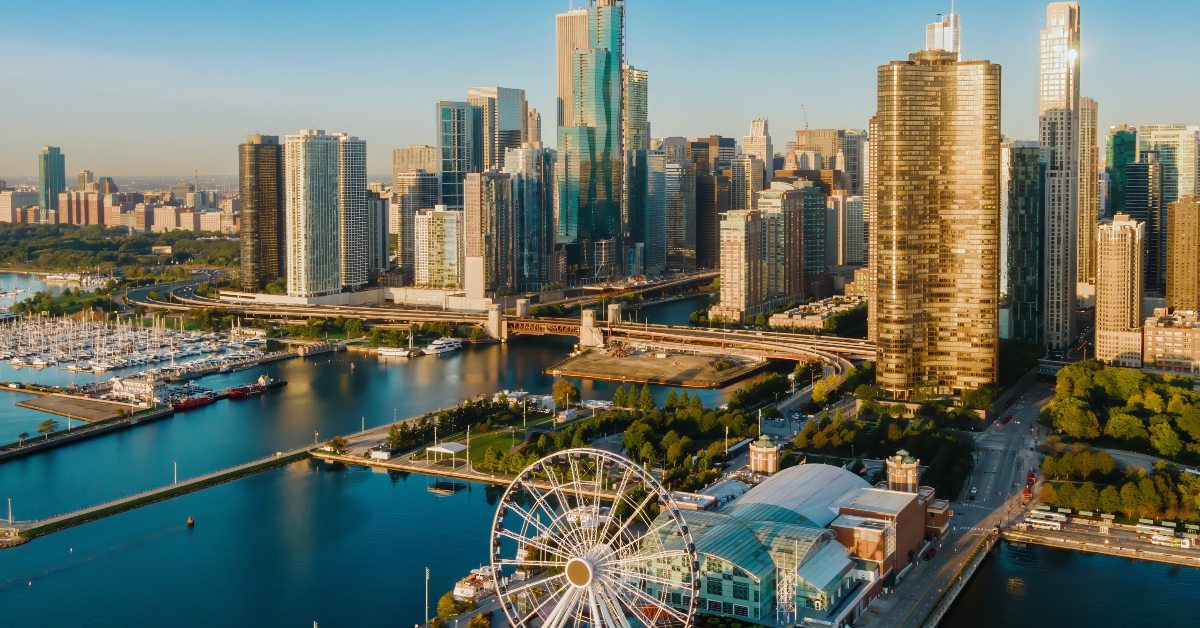
Top Walkable Cities To Retire in 2027
Let’s cut to the chase: these cities nailed the formula of walkability plus retirement-friendly amenities.
Asheville, North Carolina
Asheville is a gem for art lovers and nature fans alike. Its compact downtown is a mosaic of galleries, farm-to-table eateries, and craft breweries—all easily navigated on foot.
Healthcare access is solid, and the city’s proactive in pedestrian safety. For more context, best travel is worth reviewing. Plus, the Blue Ridge Mountains aren’t far if you want a weekend escape.
Portland, Oregon
Portland’s reputation for walkability is well-earned. Its neighborhoods offer quick walks to coffee shops, parks, and public transit. For retirees, this means fewer headaches around parking or traffic.
The city’s commitment to green spaces means endless spots to relax outdoors without driving miles.
Savannah, Georgia
History buffs, listen up. Savannah’s historic district is flat, tree-lined, and dripping with charm, making it perfect for leisurely strolls.
With its mild climate and many social clubs, it’s ideal for those who want to mix culture with community.
Madison, Wisconsin
Madison may surprise you. It blends a college-town buzz with top-notch healthcare and walkable neighborhoods. The lakeside trails are a huge bonus for staying active.
Retirees report feeling both energized and secure here.

Living the Walkable Retirement: A Personal Take
Having spent a year living in a walkable neighborhood myself, I can vouch for the difference it makes. No more hunting for parking or dealing with traffic stress.
Morning coffee runs, spontaneous park visits, and popping into local shops became rituals that kept me engaged and physically active. best beaches usa provides further details on this. The social connections forged just by walking around? Priceless.
In 2026 and moving into 2027, this lifestyle isn’t just trendy—it’s essential for anyone serious about thriving in retirement.
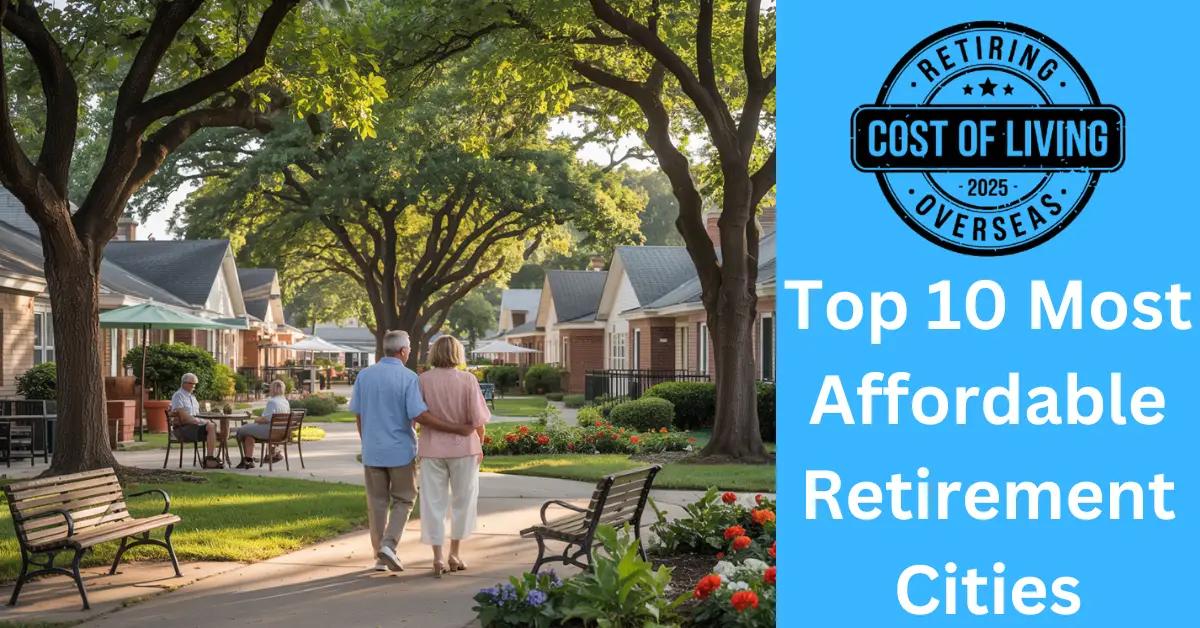
How to Choose Your Ideal Walkable Retirement City
Don’t just pick the prettiest place. Look for these must-haves before committing.
- Walk Score and Safety Ratings: Check local stats on pedestrian friendliness and crime.
- Healthcare Proximity: Ensure hospitals and clinics are within easy reach.
- Climate Comfort: Consider how weather affects your ability to walk year-round.
- Community Vibes: Visit neighborhoods at different times to feel the pulse.
- Public Transit: Bonus points if you can combine walking with reliable transit options.
These steps cut through the fluff and focus on what really impacts daily life.

Frequently Asked Questions
What makes a city truly walkable for retirees?
A truly walkable city balances safe, easy pedestrian routes with access to healthcare, shopping, and social spots, all within a short distance. The environment should encourage walking without fear or inconvenience.
Is walkability more important than climate when choosing a retirement city?
It depends on your priorities. Some retirees prefer mild climates for year-round walking, but others prioritize walkability and access over weather. Ideally, choose a place that offers both.
How does walkability affect health in retirement?
Walking regularly improves cardiovascular health, balance, and mental well-being. Retirees in walkable cities often report feeling more energetic and socially connected, which helps prevent isolation.
Are walkable cities more expensive to retire in?
Not necessarily. While some walkable cities have a higher cost of living, many affordable options exist. It’s about balancing your budget with lifestyle needs.
Can walkability compensate for limited public transportation?
Yes. In many retirement-friendly cities, being able to walk to essentials means you rely less on public transit. However, good transit options still enhance mobility, especially for longer trips.
Retiring in a walkable city isn’t just about getting from point A to B—it’s about enriching your day-to-day experience. ccrc country provides further details on this. In 2027, make your next chapter one that’s active, connected, and downright enjoyable.

Carmen Frazier is a coffee enthusiast and product reviewer with over a decade of experience in the beverage industry. She specializes in evaluating quality coffee mugs, ensuring that consumers find the perfect match for their favorite brews. Her passion for coffee culture drives her commitment to providing accurate and insightful reviews on the best coffee mugs available in 2027.