Discover the Best Tennis Shoes For Nurses Designed to Keep You Moving
Why Nurses Need Specialized Tennis Shoes More Than Ever
Ever spent 12 hours on your feet and felt like your shoes were betraying you? Nurses don’t just walk—they sprint, pivot, and stand still under pressure. Your shoes need to handle all that chaos without flinching.
In 2026 and heading into 2027, the demand for shoes that marry comfort with resilience has never been higher. Additionally, best walking covers similar aspects. What you’ll learn here is how to spot the best tennis shoes that keep nurses’ feet happy through marathon shifts.
📌 Quick Summary: The best tennis shoes for nurses in 2027 offer unbeatable cushioning, stellar arch support, and breathable materials. Look for durable soles and shock absorption to combat fatigue and foot pain during long workdays.

Key Features That Make a Tennis Shoe Nurse-Approved
Superior Cushioning and Shock Absorption
Every step nurses take is a mini impact on joints and muscles. The best tennis shoes come with advanced midsole technologies—think EVA foam or gel inserts—that absorb shock like a champ.
Trust me, after years of testing shoes, those with insufficient cushioning have left my feet aching by midday. Cushioning is non-negotiable.

Arch Support That Won’t Quit
Flat feet or high arches? Both demand sneakers that stabilize and support. A shoe that lacks proper arch support is a fast track to plantar fasciitis.
Look for models with contoured footbeds or removable insoles so you can swap in custom orthotics if needed. For more context, best insulin pump is worth reviewing. Your feet will thank you.
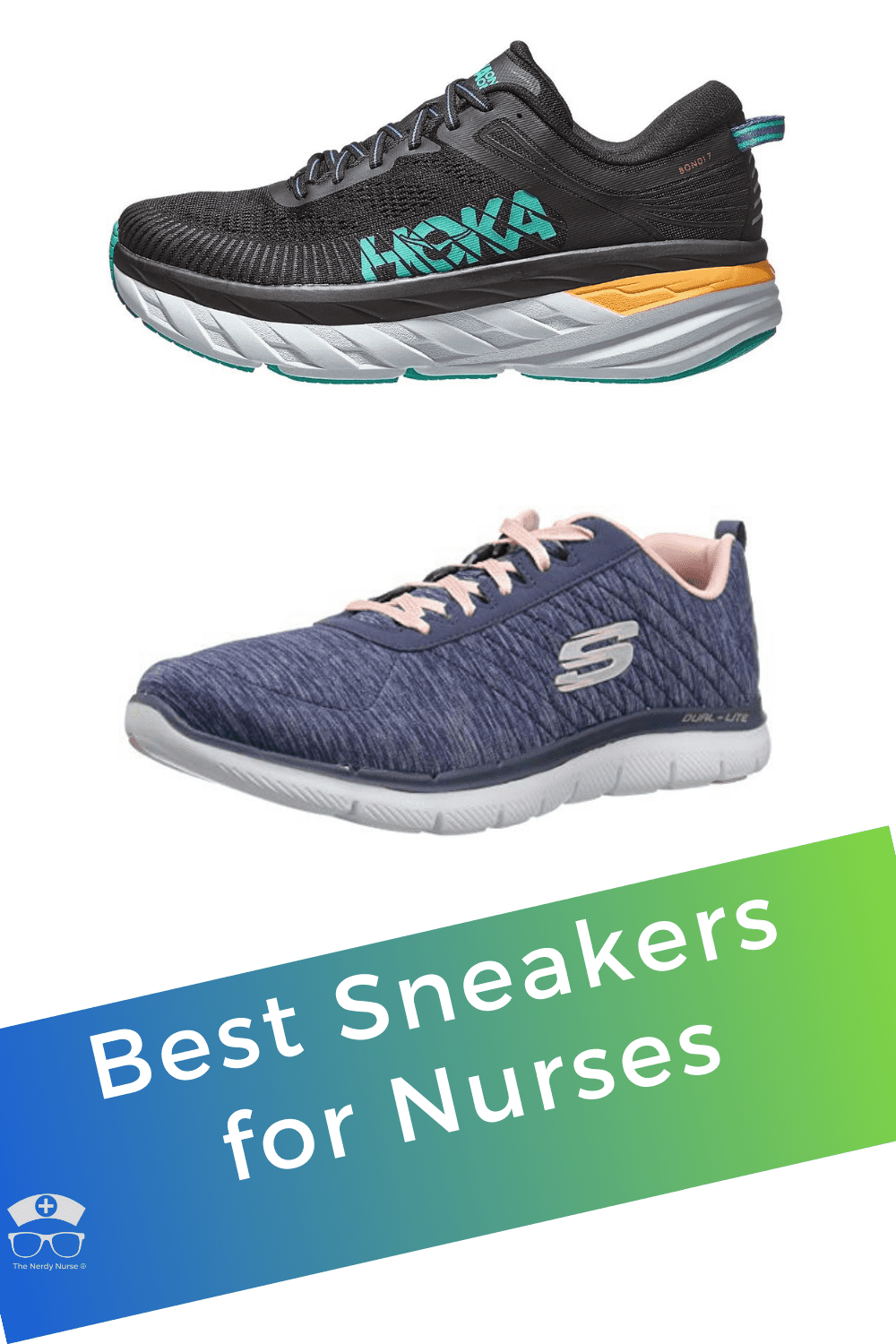
Breathability and Moisture Control
Long shifts mean sweaty feet—gross but unavoidable. Shoes with mesh panels or engineered knit uppers wick moisture and promote airflow, reducing odor and fungal infections.
In 2027, expect more brands to focus on breathable yet durable materials that don’t sacrifice protection for ventilation.
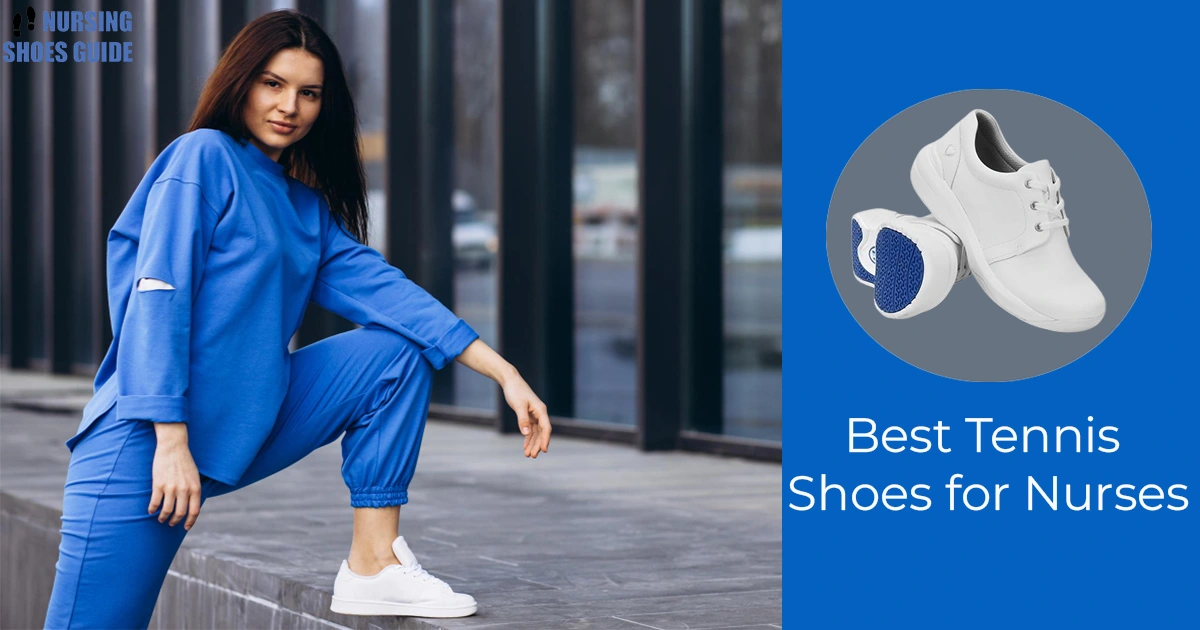
Top Contenders for the Best Tennis Shoes For Nurses
1. ASICS Gel-Resolution 9
Built for stability, the Gel-Resolution 9 packs a punch with rearfoot and forefoot gel cushioning. It handles abrupt movements with ease, perfect for nurses darting between patient rooms.
Its Trusstic System reduces weight without losing structural integrity, meaning less fatigue after hours on your feet.

2. New Balance 990v5
New Balance nails the blend of support and style. The 990v5 offers plush cushioning with a high-quality ENCAP midsole, plus a roomy toe box to prevent pinching during long shifts.
This shoe is a favorite among nurses who want dependable comfort and a sleek look. Be sure to explore best bbl surgeon as well.
3. Brooks Ghost 15
Don’t underestimate a running shoe in a hospital setting. Brooks Ghost 15’s DNA Loft cushioning provides cloud-like softness, while the segmented crash pad smooths transitions from heel to toe.
Its breathable mesh upper keeps feet cool, a game-changer when you’re moving non-stop.

How to Choose Your Perfect Pair: A Nurse’s Experience
After clocking years on hospital floors, I’ve learned that the “best” shoe isn’t always the flashiest. It’s the one that fits your foot like a glove and addresses your unique needs.
Try shoes on late in the day when your feet are swollen to get a realistic fit. Walk around your home in them before committing. Don’t ignore the importance of grip—wet hospital floors demand non-slip soles.
Remember: the ideal tennis shoe for nurses blends cushioning, durability, and breathability in a way that supports your hectic shifts. Be sure to explore best oil brands as well.

Frequently Asked Questions
Are tennis shoes better than clogs for nurses?
Tennis shoes generally offer better shock absorption and arch support compared to traditional clogs, making them a superior choice for nurses who are constantly on their feet.
Can I use running shoes as tennis shoes for work?
Running shoes can work if they offer good support and non-slip soles, but tennis shoes designed for lateral movement often provide better stability for sudden shifts and pivots common in nursing.
How often should nurses replace their work shoes?
Every 6 to 12 months is a good rule of thumb, depending on usage. Once cushioning compresses or tread wears, the shoe’s protective qualities diminish, increasing injury risk.

Carmen Frazier is a coffee enthusiast and product reviewer with over a decade of experience in the beverage industry. She specializes in evaluating quality coffee mugs, ensuring that consumers find the perfect match for their favorite brews. Her passion for coffee culture drives her commitment to providing accurate and insightful reviews on the best coffee mugs available in 2027.