
Why the Um Schedule 2027 Will Change Your Planning Game
Ever stared at a calendar wondering how to squeeze every vital event into a limited time frame? The Um Schedule 2027 isn’t just another timetable—it’s a strategic blueprint that demands respect.
What you’ll learn: How to interpret the Um Schedule 2027, use it for streamlined planning, and avoid common pitfalls that trip up even seasoned organizers.
📌 Quick Summary: The Um Schedule 2027 offers a detailed framework tailored for event planners and participants to optimize timing and resource allocation. Understanding its structure can dramatically enhance coordination and execution in 2026 and 2027.
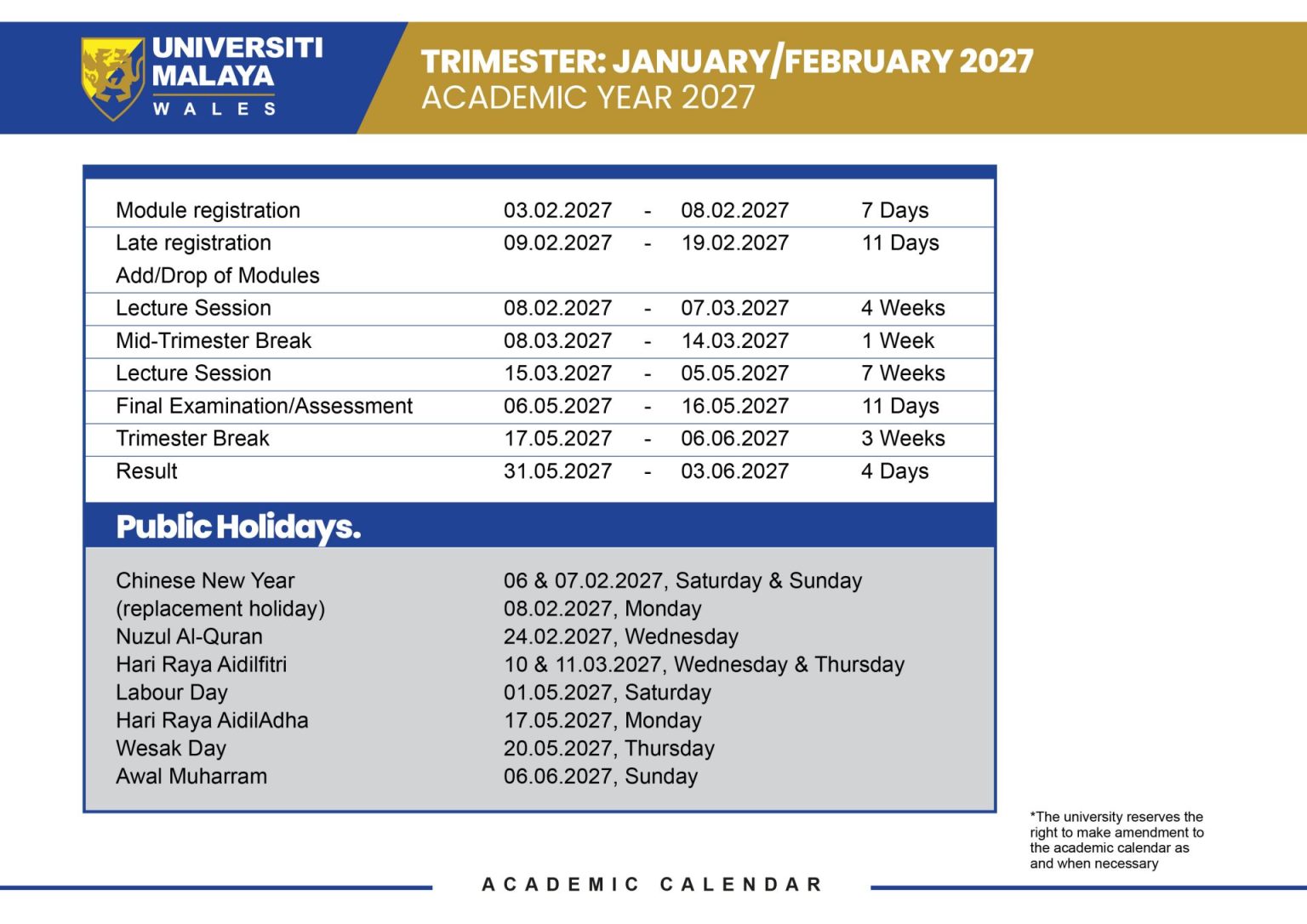
Breaking Down the Structure of the Um Schedule 2027
Core Components You Can’t Ignore
The schedule is split into distinct segments, each assigned to specific phases of the event cycle. Think of it like a relay race where every runner’s timing impacts the next.
Key elements include fixed dates, flexible windows, and contingency buffers that allow room for unexpected shifts.
How the Timeline Reflects Seasonal and Logistical Realities
Events are clustered strategically to capitalize on seasonal advantages—weather, attendance trends, and vendor availability all factored in.
This intelligent clustering means less downtime and a more efficient flow from one event to the next.
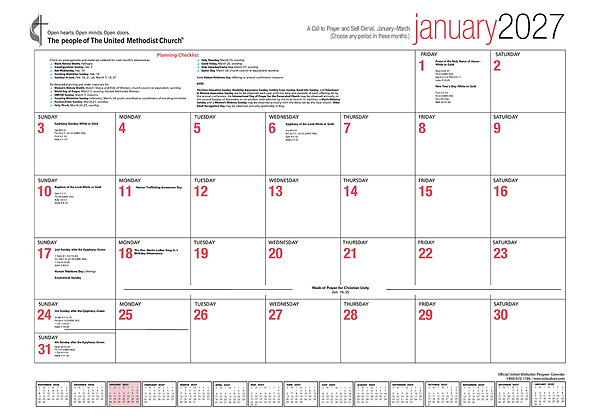
Practical Tips for Using the Um Schedule 2027 Effectively
Planning Your Calendar Like a Pro
Start by marking immovable dates first. These anchor points are non-negotiable and set the tone for everything else.
Then slot in flexible events around these anchors, always keeping those contingency buffers handy.
Communication Is Your Secret Weapon
Regular check-ins with vendors, participants, and stakeholders ensure everyone is aligned with the schedule’s demands.
From firsthand experience, neglecting these touchpoints turns simple delays into cascading chaos. Avoid that trap at all costs.

Common Challenges and How to Tackle Them Head-On
Dealing with Overlaps and Conflicts
Sometimes, the schedule throws curveballs—overlapping events or last-minute changes. It’s brutal but manageable.
Having a priority matrix helps decide which commitments take precedence without alienating key players.
Adjusting for Unpredictable External Factors
Weather, political changes, or sudden venue issues can disrupt even the best-laid plans.
Building in flexibility early on and a solid crisis communication plan will save your skin.

Expert Insights and Final Word on Um Schedule 2027
The Um Schedule 2027 isn’t just a list of dates—it’s a dynamic tool that rewards those who master its rhythm and demands ruthless attention to detail.
From personal experience managing complex schedules, the key is relentless adaptability blended with disciplined foresight.
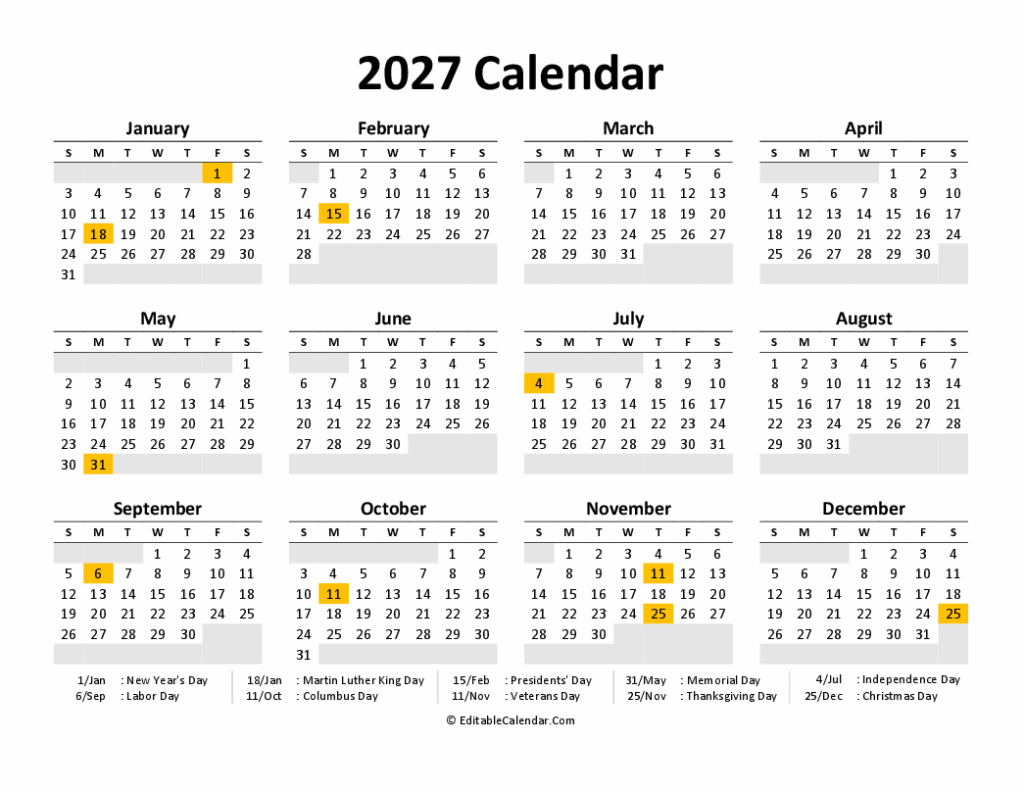
Frequently Asked Questions
What exactly is the Um Schedule 2027 designed for?
It’s primarily created to provide a comprehensive timeline for organizing and managing events efficiently throughout 2027, factoring in all critical logistical details.
Can the Um Schedule 2027 be customized for different types of events?
Yes, while it offers a structured framework, its flexible components allow planners to tailor the schedule to the specific needs of their event categories.
How do I handle sudden changes in the Um Schedule 2027?
Prepare by prioritizing key events, maintaining open communication channels, and always having contingency plans ready for unexpected disruptions.
Is the Um Schedule 2027 suitable for beginners?
Absolutely. With careful study and the right tools, even novices can leverage the schedule to avoid common pitfalls and stay on track.
Where can I find official updates to the Um Schedule for 2027?
Official updates are typically released by organizing bodies or governing entities overseeing the events covered by the schedule. Staying connected to these sources is essential.

Maxime Williams is a seasoned technical SEO architect with a focus on optimizing schedules and events in 2027. With years of experience in digital marketing, Maxime combines analytical skills with a passion for strategic planning, ensuring you stay ahead in the evolving landscape of scheduled events.