Discover the Best Cutting Board 2027 for Precision and Durability
Cutting Boards That Actually Make Cooking Fun (Yes, Really!)
Ever tried slicing tomatoes on a flimsy cutting board that slips around like it’s on ice? Frustrating, right? Choosing the right cutting board transforms your kitchen grind from a chore into a smooth rhythm.
This guide breaks down everything you need to know to pick the best cutting board 2027—whether you’re a weekend chef or a full-time kitchen warrior. For more context, best electric is worth reviewing.
📌 Quick Summary: The best cutting board 2027 blends durability, hygiene, and ease of use. From bamboo’s eco-friendly charm to high-tech composite materials, there’s a perfect board for every cooking style and budget. Expect expert insights on design, maintenance, and what to avoid.
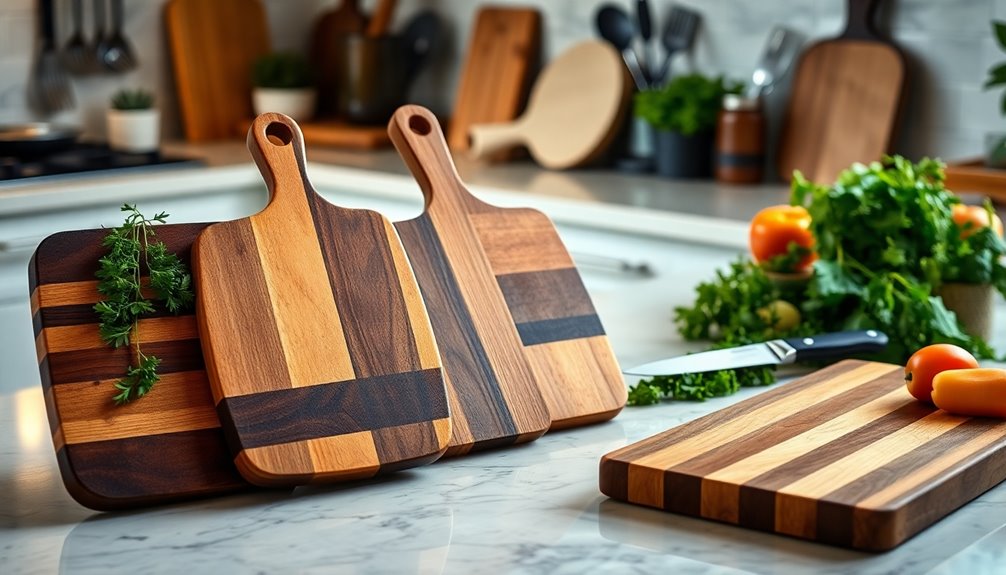
15 Best Flat Irons of 2025 for Sleek and Shiny Hair – Expert Reviews …
Source: aromatherapynaturals.com
Material Matters: What’s Underneath Your Knife?
Bamboo, plastic, wood, or composite? The material defines the board’s lifespan and how your knives behave. In 2027, bamboo keeps climbing the ranks thanks to its eco-friendliness and natural antibacterial properties.
Plastic boards still hold ground in busy kitchens—dishwasher-safe and color-coded to prevent cross-contamination. For more context, best countertop is worth reviewing. But beware of cheap plastic boards that scar easily and harbor bacteria.
Wooden Cutting Boards: Timeless but Tricky
Maple and walnut are the classic picks for wooden boards. They’re gentle on knives and have a natural resistance to bacteria—if maintained well. But let me warn you: if you don’t oil them regularly, they’ll crack faster than you expect.
Composite Boards: The New Kids on the Block
Materials like Richlite or resin-infused fibers offer a blend of durability and knife-friendliness. They resist warping and handle heavy chopping like a champ. Plus, many models are dishwasher-safe, which is a serious timesaver.

Size, Thickness, and Design: How to Match Your Kitchen Mojo
Think about your kitchen counter space and the types of meals you whip up. Are you chopping herbs or quartering melons? Your board should feel like an extension of your hands, not a clunky afterthought.
Size Up or Down?
A large cutting board (around 18×12 inches) covers most tasks but can be unwieldy if your kitchen is tight. Smaller boards excel for quick jobs or garnishes but aren’t great for big meal preps.
Thickness and Stability
Thicker boards resist warping and provide a solid chopping surface, but they’re heavier to clean and store. Thinner boards slide around unless they have rubber feet or a textured bottom.
Additional Features to Hunt For
- Juice grooves to catch liquids
- Reversible surfaces for different tasks
- Non-slip edges or feet for safety
- Integrated handles for easy maneuvering
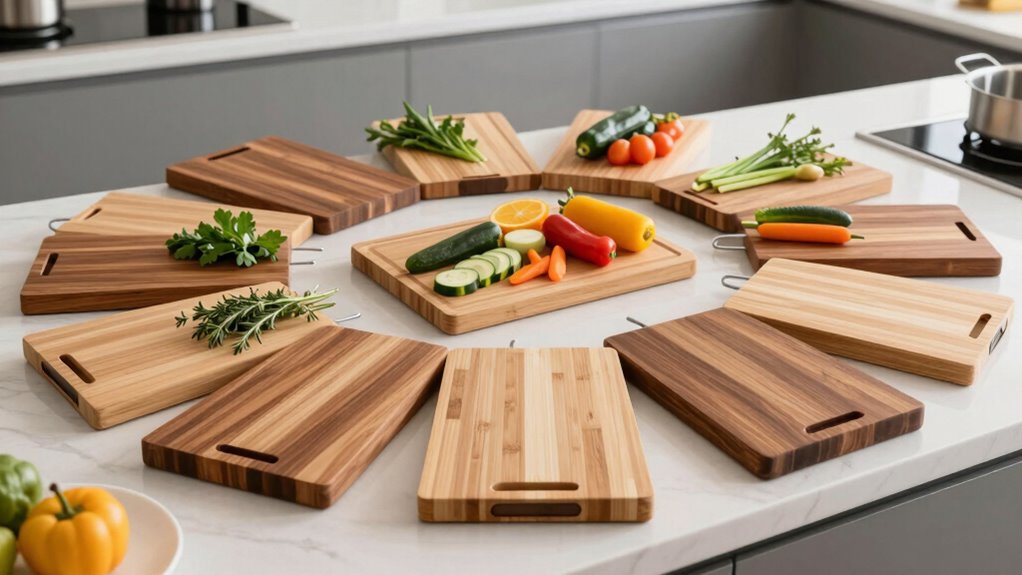
Cleaning and Maintenance: Keeping Your Board in Top Shape
Here’s the reality: a cutting board is a bacteria magnet if you ignore it. But with proper care, it can last years, even decades.
Wood Boards: Love Them or Leave Them
Wood needs hand washing and thorough drying. Never soak it or toss it in the dishwasher—this ruins the wood and warps the board. Regular oiling with food-grade mineral oil keeps the surface sealed and crack-free.
Plastic and Composite Boards: Low Maintenance, High Convenience
Plastic boards can often go straight into the dishwasher, killing germs with hot water and detergent. Composite boards vary, so always check manufacturer instructions before dunking them in dishwashers.
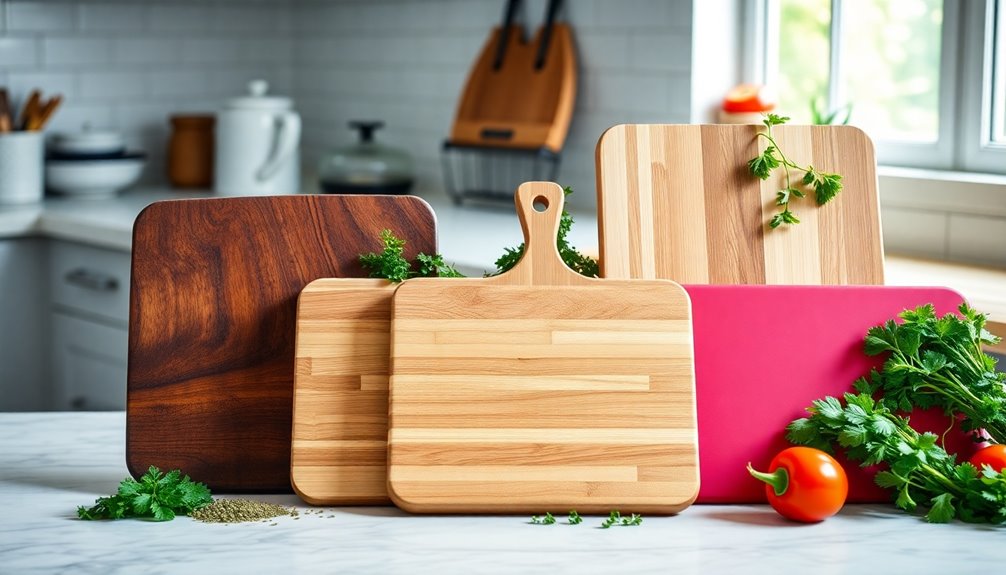
My Personal Take: Why I Switched to Bamboo in 2026
After years clinging to my trusty wooden board, I finally switched to a bamboo cutting board in early 2026. The moment I started using it, I noticed two things: it was sturdier and felt cleaner. No more worrying about knife marks turning into breeding grounds for bacteria.
Plus, bamboo’s natural resistance to odors and moisture meant fewer headaches during intense meal preps. For more context, best vaccuums is worth reviewing. It’s not perfect—if you neglect oiling it, it’ll dry out—but the balance of performance and eco-consciousness won me over.

15 Best Cutting Boards for Every Kitchen – Top Picks and Reviews – Best …
Source: bestvacuumexpert.com
Frequently Asked Questions
What is the best material for a cutting board in 2027?
Bamboo and composite materials lead the pack. Bamboo is eco-friendly and naturally antibacterial, while composites offer durability and dishwasher safety. Wooden boards remain popular but require more upkeep.
Can cutting boards affect knife sharpness?
Absolutely. Hard surfaces like glass or stone dull knives quickly. Wood and bamboo are gentler and help keep blades sharper longer.
How often should I replace my cutting board?
Replace when deep grooves or cracks form, as these can harbor bacteria. With proper care, quality boards can last several years.
Are color-coded cutting boards worth it?
Yes, especially for preventing cross-contamination between raw meat, vegetables, and cooked food. It’s a simple hygiene hack that chefs swear by.
Additionally, best robo provides helpful insights.

Carmen Frazier is a coffee enthusiast and product reviewer with over a decade of experience in the beverage industry. She specializes in evaluating quality coffee mugs, ensuring that consumers find the perfect match for their favorite brews. Her passion for coffee culture drives her commitment to providing accurate and insightful reviews on the best coffee mugs available in 2027.