
Why Timing Your Refund Matters More Than Ever
Ever stared at your bank account, wondering when that federal refund will finally hit? If you’ve wrestled with the unpredictability of tax refunds, you’re not alone. The Federal Refund Schedule 2027 is your roadmap to knowing exactly when to expect your money back.
What you’ll learn: The essential dates of the refund schedule, how to avoid common pitfalls, and insider tips to speed things up in 2026 and 2027.
📌 Quick Summary: The Federal Refund Schedule 2027 lays out when taxpayers can expect their refunds based on filing date and method. Understanding it can prevent anxious waiting and plan finances better. Plus, knowing the quirks of the IRS timeline helps you steer clear of unnecessary delays.

Breaking Down the Federal Refund Schedule 2027
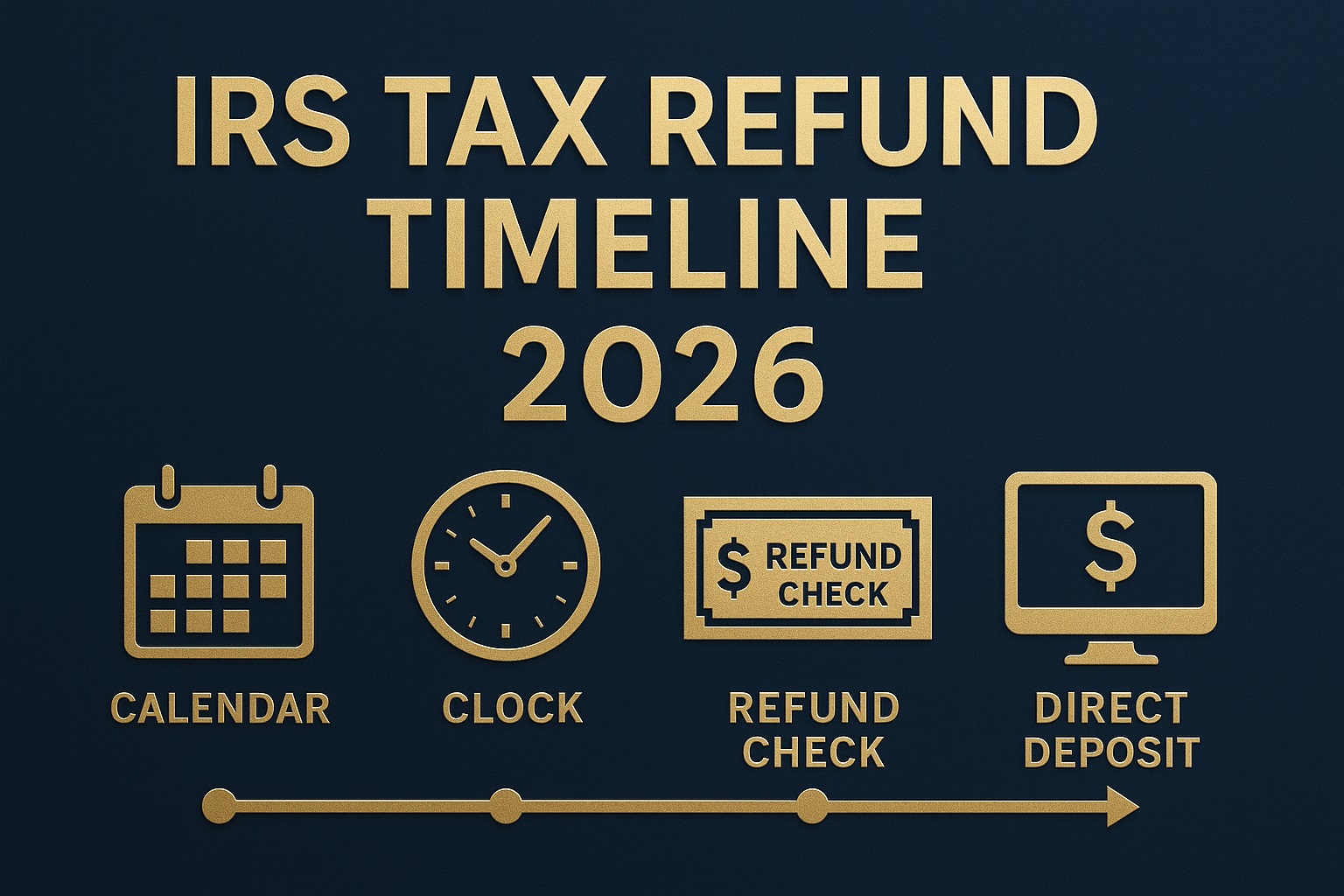
Think of the refund schedule as a calendar with checkpoints. The IRS doesn’t just hand out refunds willy-nilly. There’s an order, a system, and a logic behind when your cash lands in your account.
Key Dates to Remember
- Early Filers: Those who submit returns in January usually see refunds by mid to late February.
- Peak Filing Period: March and April filers can expect refunds roughly 21 days after the IRS acknowledges the return.
- Extension Filers: Those filing extensions often receive refunds closer to late summer.
Remember, these are estimates—not guarantees. The IRS’s processing speed can shift based on workload and verification checks.
Electronic vs. Paper Filing and Its Impact
Filing electronically is like taking the fast lane. The IRS processes e-filed returns much quicker than paper submissions. If you still send snail mail, expect your refund to lag behind by weeks.
Pro tip: Pair e-filing with direct deposit to shave off even more days. It’s the combo that turns your refund into a swift cash injection.
Practical Tips from the Trenches: How I Beat the Waiting Game
From personal experience, rushing to file right when the IRS opens isn’t always the best move. One year, I filed on the very first day, only to get stuck in a verification loop that delayed my refund by weeks.
Now, I aim for mid-February electronic filing with all documents triple-checked. This approach sliced my waiting time dramatically during the 2026 tax season.

Double-Check Your Tax Return
Errors are the IRS’s favorite excuse to pause refunds. Even a tiny typo can trigger audits. That’s why I always run my return through tax software and have a second pair of eyes review it.
Watch Out for Refund Offsets
Unpaid debts like child support or federal loans can snag your refund. The schedule won’t change, but your payout can vanish unexpectedly. Stay ahead by reviewing your debt status before filing.

How Refund Timing Influences Your Financial Strategy
Knowing when the refund arrives isn’t just about patience—it’s about planning. Delays can throw a wrench into budgeting, bill payments, and even investment moves.
Plan Your Expenses Around the Schedule
If you’re counting on that refund for a big purchase or clearing debts, mark your calendar with the IRS’s rough timeline. This prevents overdrawing accounts or scrambling for emergency funds.
Consider Filing Early—but Smartly
Early filing can be a double-edged sword. File too soon with incomplete info, and you’ll invite delays. But file early with accuracy? You’re at the front of the line.
Common Questions About Federal Refund Timing
Why hasn’t my refund arrived yet?
The IRS might be verifying your info, processing backlog, or offsetting debts. If it’s been more than 21 days after filing electronically (or six weeks for paper), it’s time to check with the IRS.
Can I speed up my refund?
Filing electronically with direct deposit is the fastest route. Avoid amended returns unless necessary, and submit accurate, complete information to prevent delays.

Does filing an extension delay my refund?
Yes, because you’re pushing your filing date back to October. Refunds follow the filing, so expect a later payout compared to on-time filers.
Are there changes expected in 2027 that will affect refund timing?
The IRS is continually tweaking processes, especially with increasing digital infrastructure. Expect some improvements in speed, but also stricter verification protocols to combat fraud.
🚀 Beginner Tip: Always keep a copy of your filed return and confirmation number. If things get messy, these are your lifelines when contacting the IRS.
⭐ Expert Insight: Understanding the Federal Refund Schedule 2027 isn’t just for tax pros. It’s your best defense against uncertainty and financial headaches during tax season.
Timing your refund isn’t rocket science, but it does require respect for the IRS’s rhythm. Get in sync, stay patient, and watch your refund land exactly when it’s supposed to.

Maxime Williams is a seasoned technical SEO architect with a focus on optimizing schedules and events in 2027. With years of experience in digital marketing, Maxime combines analytical skills with a passion for strategic planning, ensuring you stay ahead in the evolving landscape of scheduled events.