Where to Retire in 2027 to Slash Your Tax Bill: Best States for Retirement Taxes
Pinpointing Tax Havens for Retirees in 2027
Ever wonder why some retirees barely blink at tax season while others dread it? The secret’s in where you park your golden years. Tax-friendly states can transform a decent retirement fund into a cozy, stress-free lifestyle.
This article lays out exactly which states you should eyeball if cutting down your tax bite in 2027 is your retirement priority. dividend etf provides further details on this.
📌 Quick Summary: Retiring smart means knowing where your income stretches furthest. States like Florida, Wyoming, and Alaska top the list for tax advantages in 2027, offering no state income tax and favorable treatment on retirement benefits. Meanwhile, certain states with low property and sales taxes also deserve a look for a balanced tax strategy.
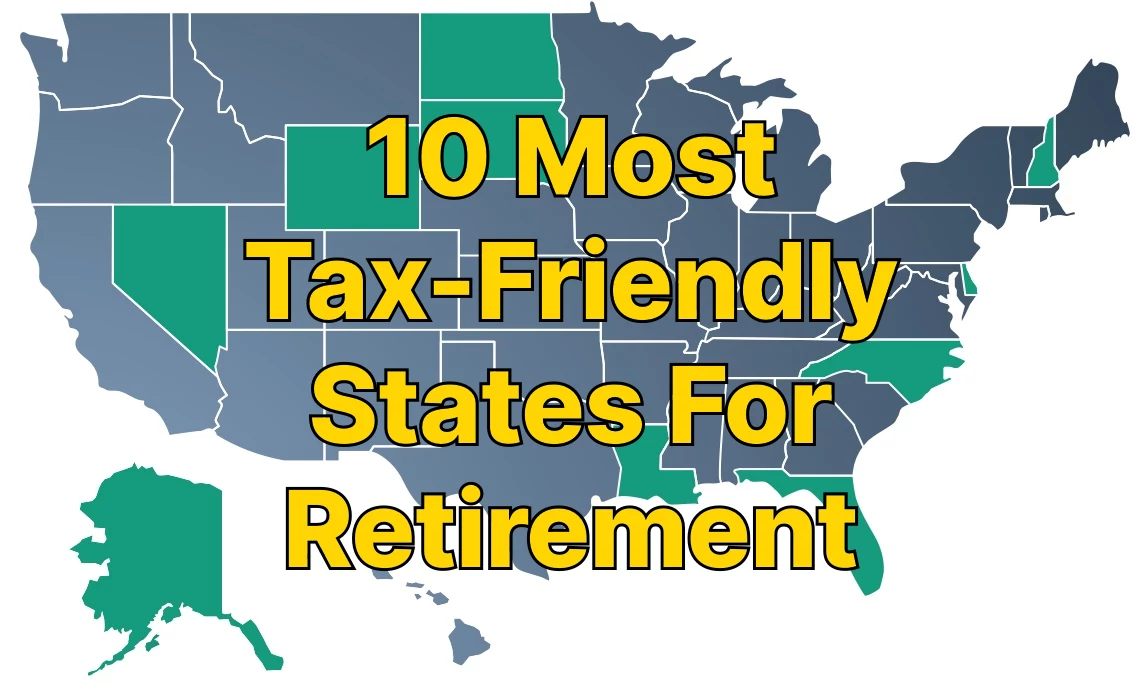
States with No State Income Tax: The Obvious Winners
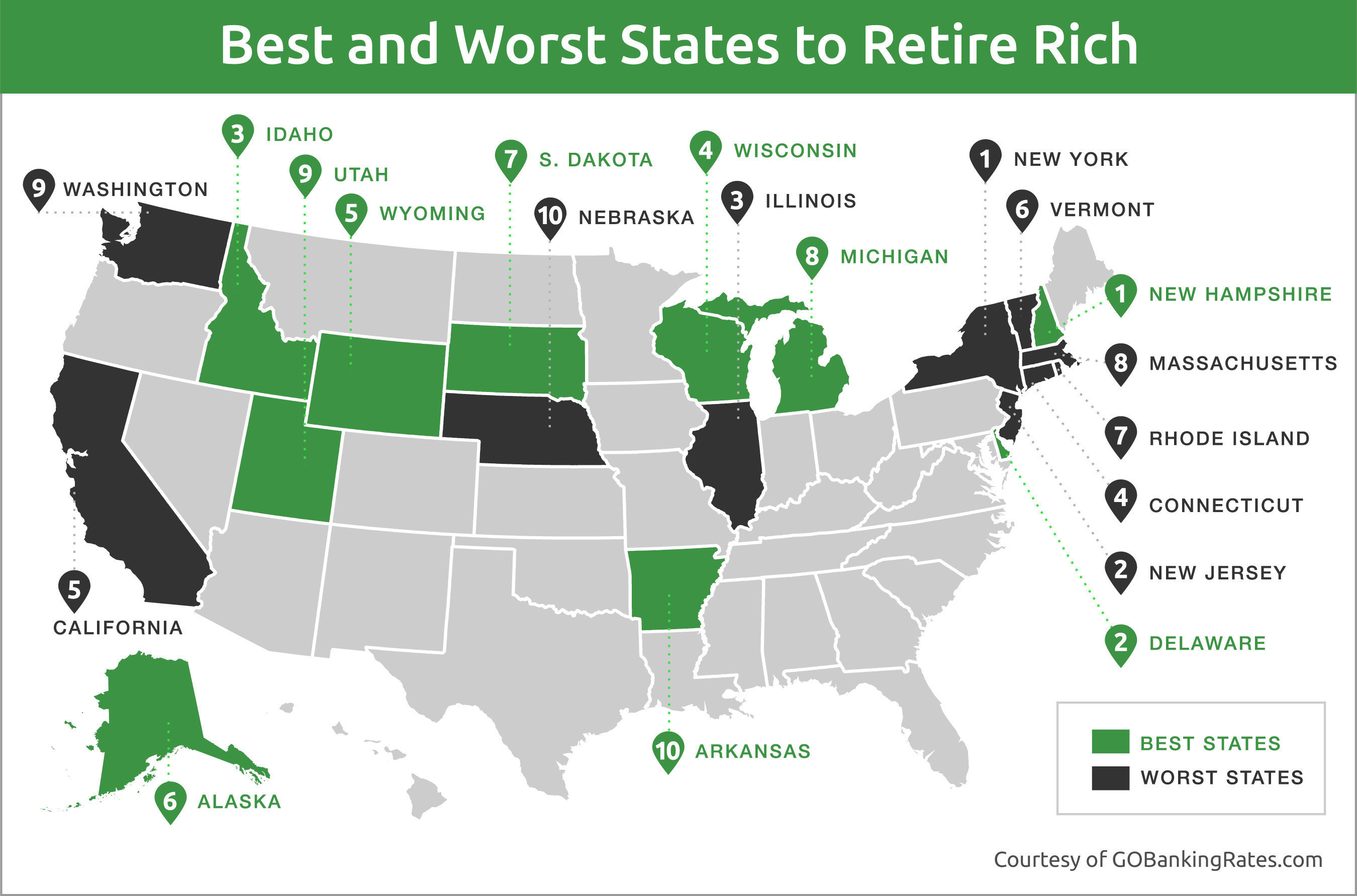
Imagine waking up knowing none of your Social Security or pension checks will be clipped by state income taxes. That’s the reality in seven U.S. states where retirees keep every penny of their income. Florida, Texas, and Nevada are household names here, but don’t overlook Wyoming and South Dakota.
Florida: The Classic Retirement Jackpot
The Sunshine State shines brightest for retirees. No state income tax, no inheritance tax, and reasonable property taxes make Florida the perennial favorite. Plus, the climate is a bonus for those ready to ditch snow shovels for beach umbrellas.
From personal experience, Florida’s tax perks alone make it hard to beat—especially if you’re living on fixed income streams. Additionally, performing etfs covers similar aspects. You’ll find many retirees swapping high-tax states for Florida’s tax haven every year.

Wyoming and Alaska: Hidden Gems with Big Tax Benefits
Wyoming doesn’t just brag about no income tax. It also boasts low property taxes and no tax on retirement income. Alaska, while pricier to live in, offers no state income or sales tax, which can be a big deal if you’re watching every dollar.
Both states offer unique lifestyles, but the tax savings can be a compelling reason to make the move. If you’re ready to embrace a more rugged or remote retirement, these states pay off financially.
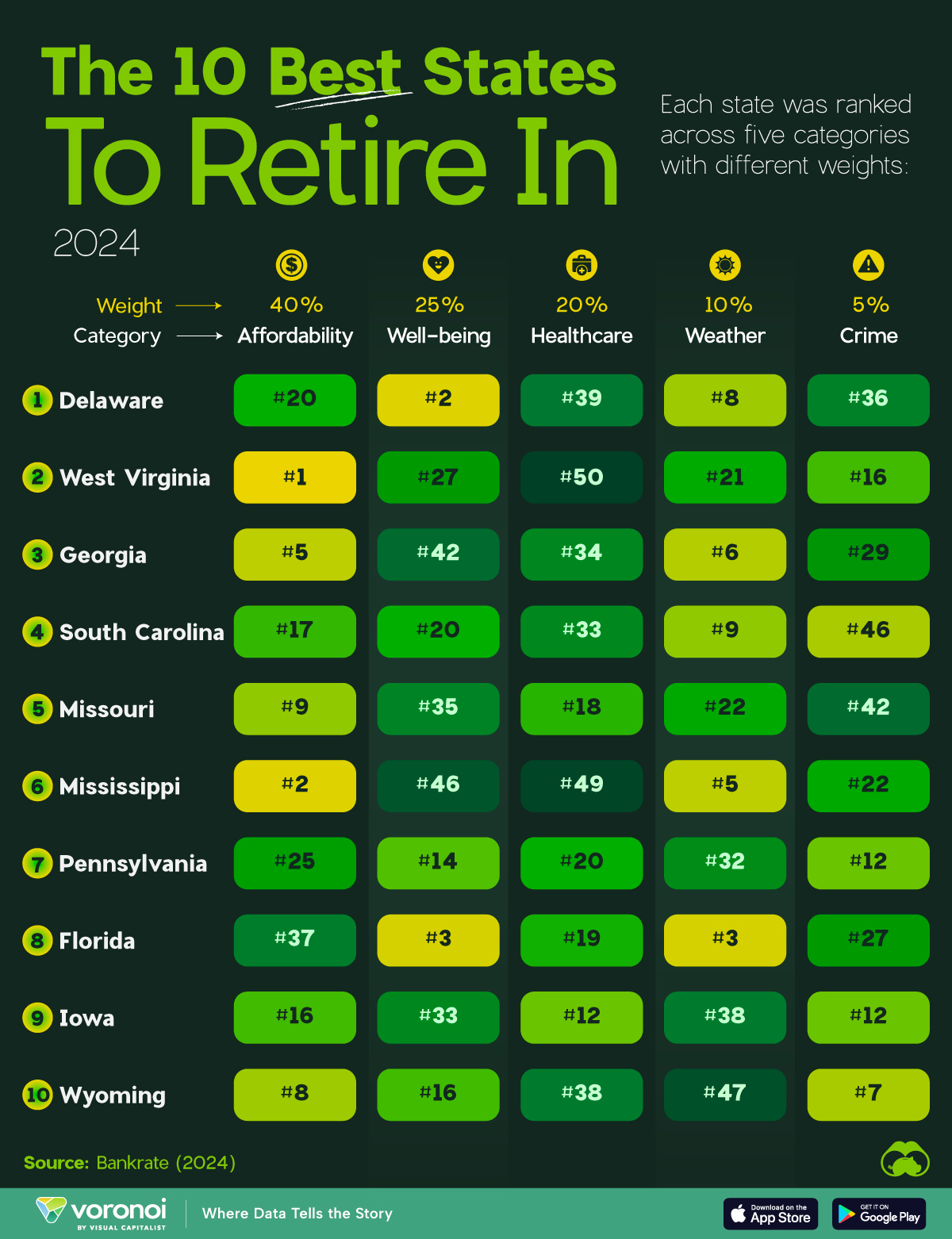
Tax Breaks on Retirement Income: What to Watch For
Not all states tax retirement income equally. Some states exempt Social Security, others offer partial or full deductions on pensions and 401(k) withdrawals. This subtle difference can add up to thousands saved annually.
States That Favor Social Security Benefits
States like Illinois and Pennsylvania exempt Social Security benefits from state taxes completely, which is a huge gain for many retirees. In contrast, states like Vermont tax Social Security benefits, which can catch some off guard if they’re not planning carefully.
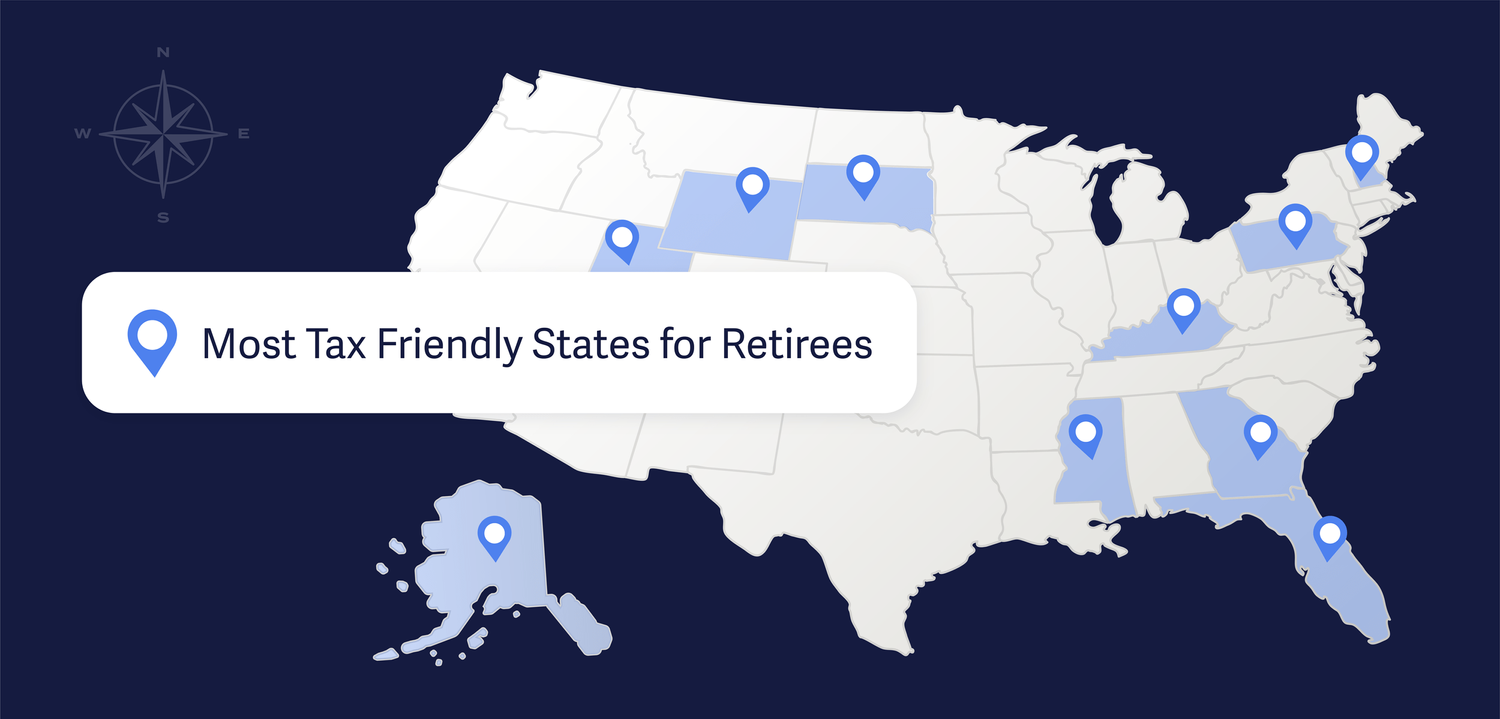
Partial Exemptions and Deductions: The Middle Ground
Some states, including Michigan and Ohio, offer deductions or exemptions on certain types of retirement income but not all. This tiered approach means you need to know exactly what income streams you rely on.
For instance, if your retirement game plan is heavy on pensions rather than Social Security, picking a state with strong pension exemptions matters more. Be sure to explore cities airbnb investment as well.

Balancing Property and Sales Taxes in Your Retirement Budget
Taxes don’t stop at income. Property and sales taxes can surprise retirees who focus solely on income tax. States like Tennessee have no income tax but make up for it with higher sales taxes, which can bite into everyday expenses.
Low Property Taxes: A Key Piece of the Puzzle
States like New Hampshire and Delaware offer low property taxes, which helps if you’re buying a home or downsizing. Property tax relief programs for seniors in some states also ease the burden.
Remember, a low-income tax state can still have high property taxes, so keep your eyes peeled for the full tax picture.
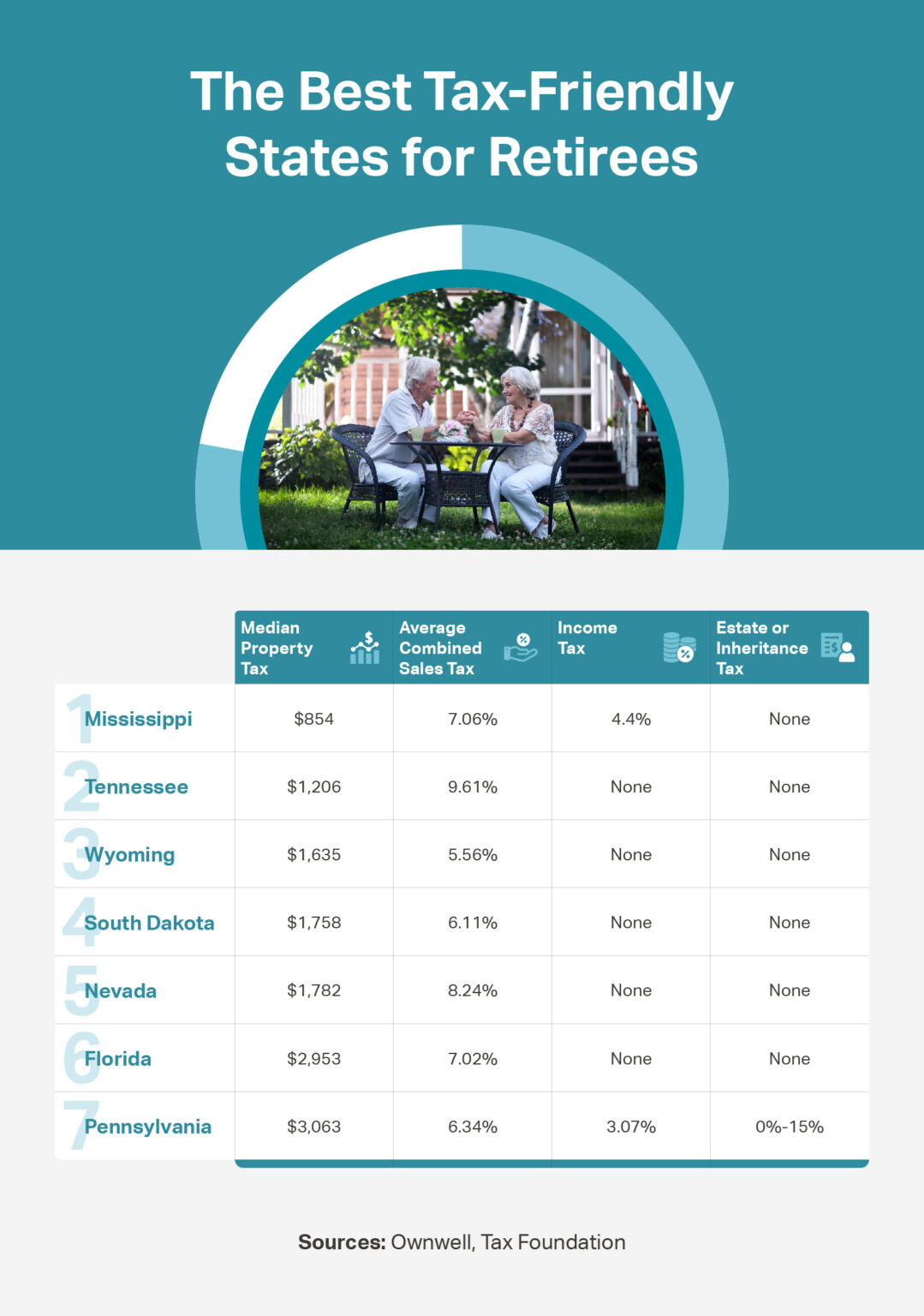
Sales Tax Considerations
States such as Oregon and Montana charge no sales tax, which benefits retirees who spend a lot on goods and services. However, if you’re more of a service spender or a homeowner, this might be less impactful.
Looking at the total tax bill, not just income tax, gives you a clearer snapshot of how far your retirement dollars will stretch. Additionally, best retirement covers similar aspects.
Personal Experience: Navigating Tax Choices When Retiring
I once advised a retiree couple moving from New York to Florida. They were stunned by their tax savings, especially since New York taxes Social Security and has steep property taxes. The move wasn’t just a lifestyle upgrade—it was a strategic financial win.
Choosing a retirement state isn’t just about taxes, but when you factor them in, it’s like trimming unnecessary weight from your budget. The right state can be the difference between living comfortably and constantly pinching pennies.

Frequently Asked Questions
Which state has the lowest overall tax burden for retirees in 2027?
Florida often ranks at the top with no state income tax, no tax on Social Security benefits, and moderate property taxes. However, Wyoming and Alaska also offer very low overall tax burdens, depending on your spending habits and lifestyle.
Do all states tax Social Security income?
No. As of 2026 and heading into 2027, about 37 states do not tax Social Security benefits. States like Colorado and Minnesota partially tax it, while a handful like Vermont tax it fully.
Are property taxes a big concern for retirees?
Absolutely. Property taxes can be a significant expense, especially if you own a home outright. Some states offer senior exemptions or caps on property taxes, which can be a lifesaver for fixed-income retirees.
How important is sales tax in retirement planning?
It depends on your spending habits. If you purchase a lot of goods, states with low or no sales tax can save you money. But if your expenses are more service-oriented, sales tax might be less impactful.
Can I change my state residency easily for tax purposes?
Changing residency to a more tax-friendly state involves more than just moving. You must establish domicile by spending significant time there, changing your driver’s license, voter registration, and other ties to the state.

Carmen Frazier is a coffee enthusiast and product reviewer with over a decade of experience in the beverage industry. She specializes in evaluating quality coffee mugs, ensuring that consumers find the perfect match for their favorite brews. Her passion for coffee culture drives her commitment to providing accurate and insightful reviews on the best coffee mugs available in 2027.