
Space Missions on the Horizon: Unpacking the Ula Launch Schedule 2027
Ever caught yourself staring at the night sky, wondering when the next big rocket will blast off? The Ula Launch Schedule 2027 is shaping up to be a packed calendar of orbital adventures and satellite deployments.
In this article, you’ll learn about the key ULA launch dates, the rockets involved, and what these missions mean for space enthusiasts and industry insiders alike.
📌 Quick Summary: United Launch Alliance’s 2027 schedule promises a thrilling array of launches, including government, commercial, and scientific payloads. Expect a blend of Atlas V, Vulcan Centaur, and Delta IV Heavy rockets targeting varied orbits.
Key Launches and Their Dates: Mark Your Calendar
The 2027 timetable includes several high-profile missions. For starters, the Vulcan Centaur rocket—ULA’s shiny new workhorse—will dominate the launch pad this year. It’s scheduled for multiple flights, pushing heavy payloads into geostationary and polar orbits.
Don’t overlook the Atlas V; it’s still the reliable veteran ferrying national security satellites and interplanetary probes.
Vulcan Centaur’s Debut and Follow-ups
Vulcan Centaur’s first full operational flight is slated for early 2027. This will be a critical test not just of the rocket’s capabilities but also of ULA’s transition strategy away from older vehicles.
Subsequent Vulcan launches will include commercial satellite deployments and military payloads, with intervals of two to three months between flights.
Atlas V and Delta IV Heavy Missions
Atlas V continues to shoulder important missions, with at least four launches planned throughout 2027. These range from NASA scientific missions to classified government operations.
The Delta IV Heavy, while nearing retirement, still has a couple of heavyweight launches penciled in—expected in mid and late 2027—primarily for deep space exploration payloads.
Behind the Scenes: How ULA Crafts Its 2027 Schedule
Coordinating a launch schedule is like juggling flaming torches on a tightrope—every delay or technical hiccup cascades through the calendar.
From my years watching launch operations up close, I can tell you that ULA’s schedule reflects a delicate dance balancing customer demands, rocket readiness, and regulatory clearances.
Balancing Client Needs and Technical Readiness
Each mission in the schedule represents countless hours of prep—rocket assembly, payload integration, and weather monitoring. ULA prioritizes launches based on urgency and payload sensitivity.
For example, a national security satellite might leapfrog a commercial communications satellite if timing is critical.
The Impact of Regulatory and Weather Constraints
Launch windows are tightly regulated, with airspace and maritime restrictions imposing narrow timeframes. Weather, always the wildcard, can push a launch back days or even weeks.
ULA’s 2027 schedule smartly allocates buffer periods to accommodate these inevitable delays without causing a domino effect.

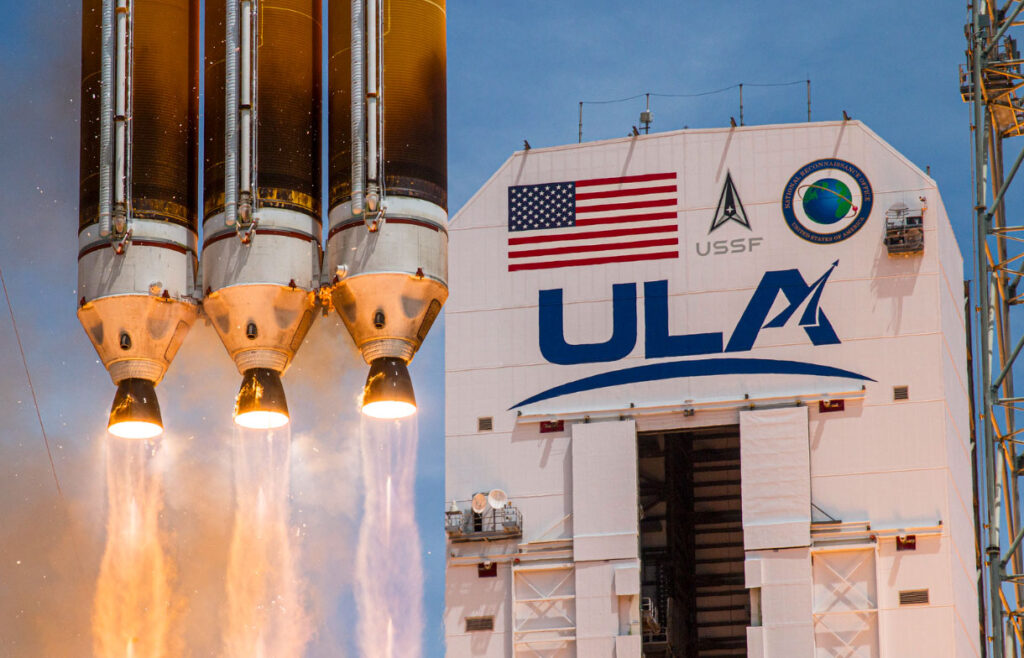
ULA manages 2nd launch of year hours after SpaceX’s 50th – Orlando Sentinel
Source: orlandosentinel.com
What the 2027 Lineup Means for Space Enthusiasts and Industry Pros
The 2027 slate reflects not just the evolution of ULA’s launch fleet but also broader trends in the space sector—more commercial contracts, a push for reusability, and renewed interest in deep space exploration.
For hobbyists, this means more chances to witness launches live or track missions online. For industry experts, it signals ramped-up competition and innovation.
Commercial Satellite Boom
ULA’s 2027 schedule includes numerous commercial payloads, a sign that private space infrastructure is booming. Communications, Earth observation, and GPS augmentation satellites all feature prominently.
This shift is a direct consequence of growing demand for global connectivity and real-time data services.
Deep Space and Scientific Endeavors
Expect at least two major scientific missions using the Delta IV Heavy and Vulcan Centaur to escape Earth’s gravity. These launches will carry probes destined for the outer planets or space telescopes.
Such missions are the crown jewels of ULA’s 2027 schedule, pushing the envelope of human knowledge.
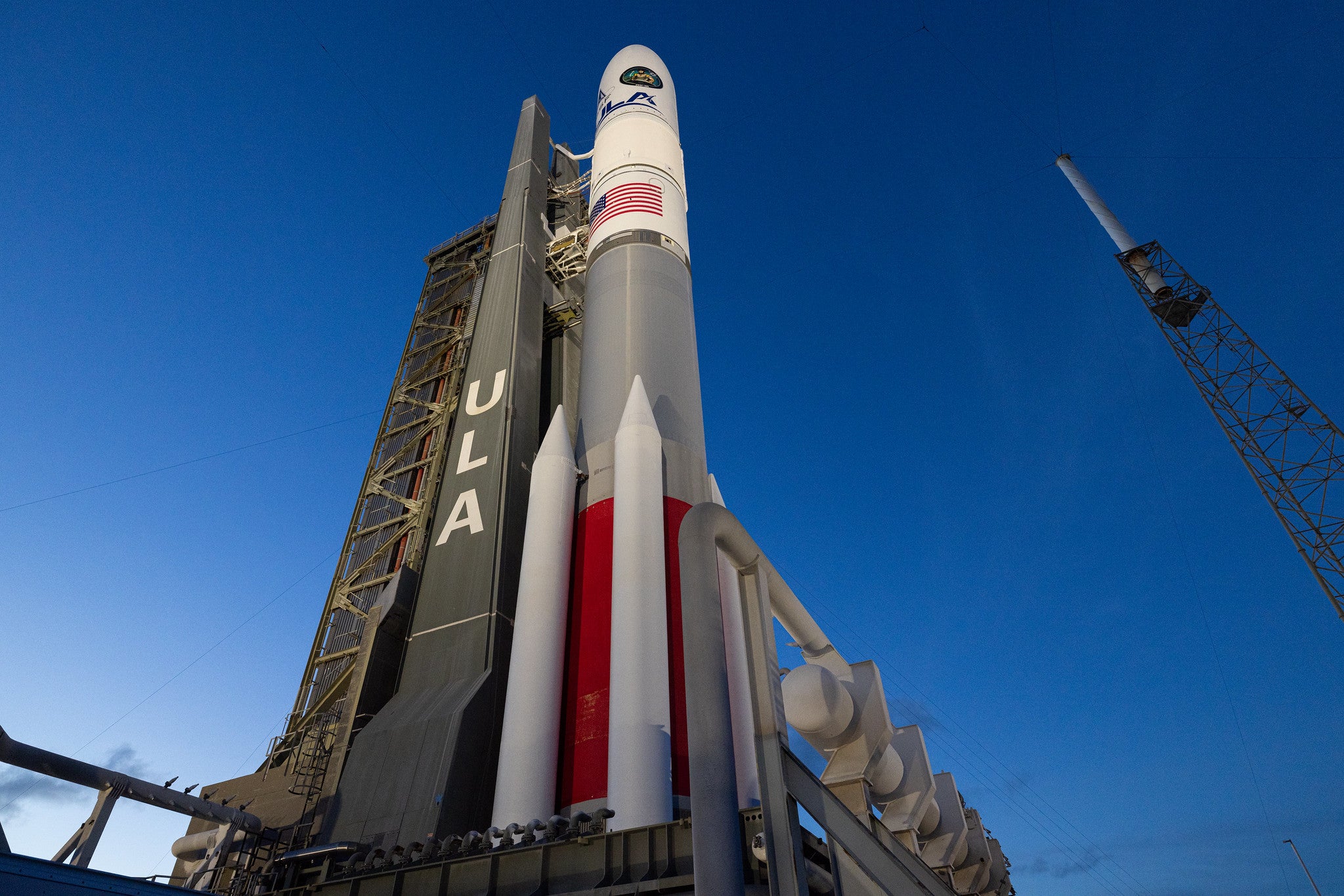
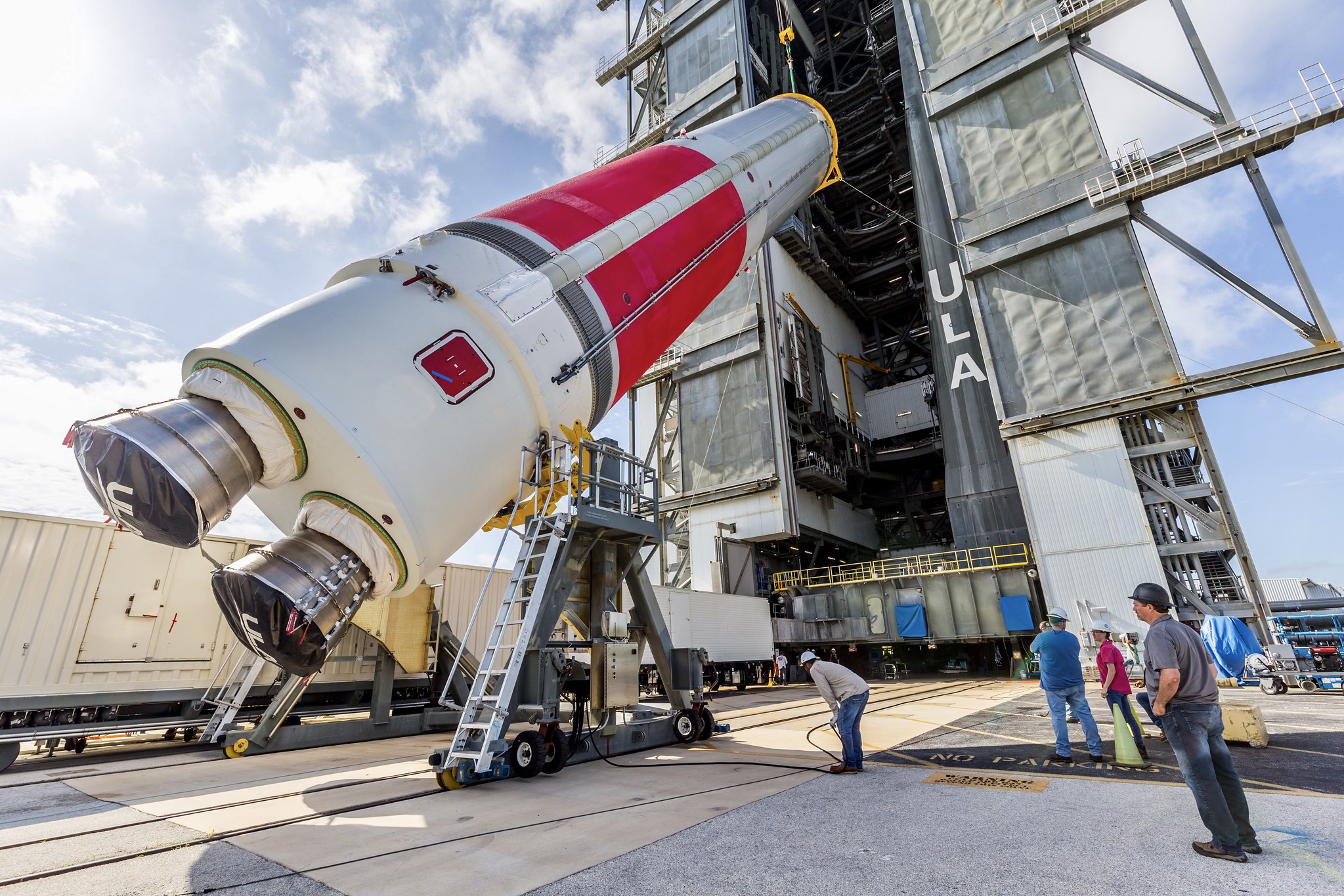
ULA forecasts launching at least 20 times a year, starting in 2026 …
Source: aerospaceamerica.aiaa.org

Frequently Asked Questions
What is the United Launch Alliance’s main rocket for 2027?
In 2027, the Vulcan Centaur is ULA’s flagship rocket, gradually replacing the Atlas V and Delta IV Heavy. It’s designed for greater payload capacity and cost efficiency.
How often will ULA launch rockets in 2027?
ULA plans roughly 10 to 12 launches throughout 2027, spacing them carefully to manage resources and weather constraints.
Can the public watch these launches?
Yes, many launches are publicly viewable from designated observation points near launch sites or via live streams provided by ULA and NASA.
Final Thoughts on the Ula Launch Schedule 2027
From my vantage point, ULA’s 2027 calendar is a bold statement of confidence in their new Vulcan Centaur rocket and a solid commitment to supporting both governmental and commercial space needs.
Whether you track launches for professional reasons or just love watching those fiery liftoffs, this schedule offers plenty to look forward to. Keep your binoculars ready and your calendar marked.

Maxime Williams is a seasoned technical SEO architect with a focus on optimizing schedules and events in 2027. With years of experience in digital marketing, Maxime combines analytical skills with a passion for strategic planning, ensuring you stay ahead in the evolving landscape of scheduled events.